

How the Kaiser Permanente Strike Tested LA’s Healthcare Network

Kaiser Permanente employees on strike outside Kaiser Oakland Medical Center on Jan. 26, 2026. Photo by Martin do Nascimento/The Oaklandside
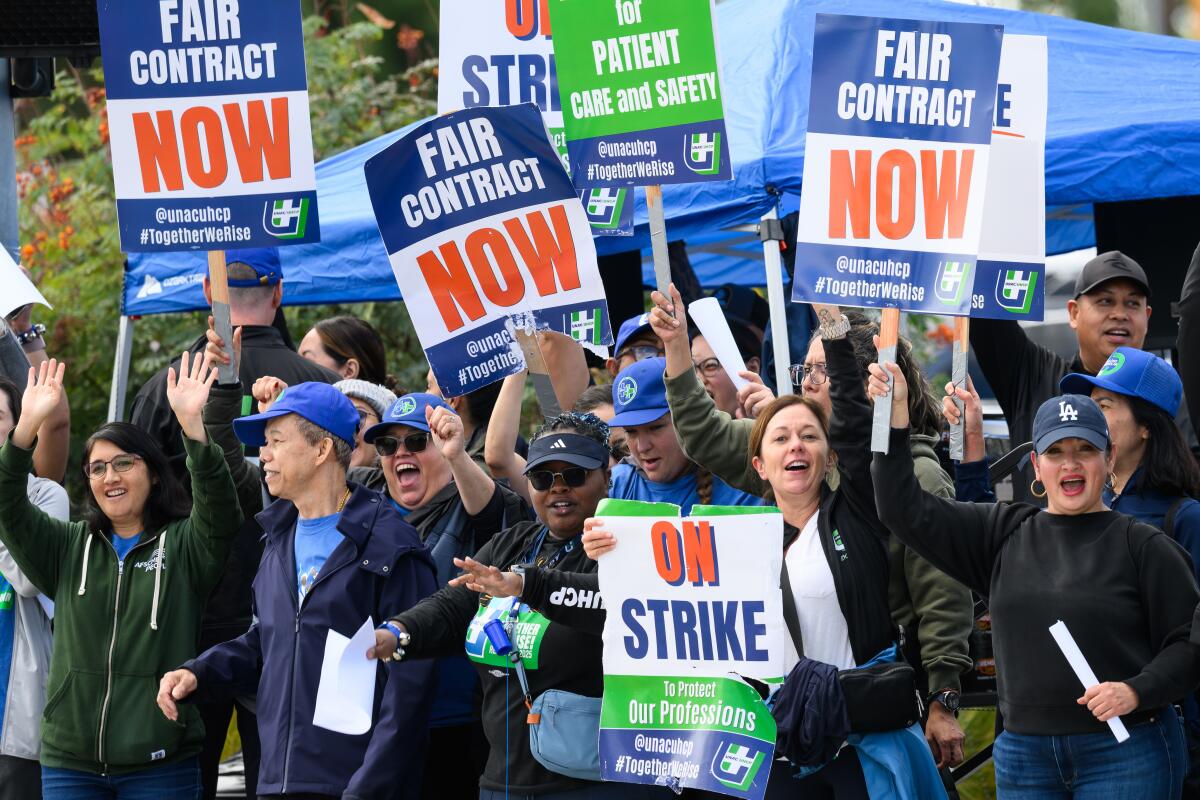
Los Angeles — In L.A. County, Kaiser Permanente, a major American healthcare company, reports 2.4 million insurance members, seven medical centers, 81 office buildings, more than 15,000 nurses, and almost 27,000 employees across the region. Before performing one of the largest open-ended nurse strikes in US history, the United Nurses Associations of California and Union of Healthcare Professionals (UNAC/UHCP) cited that its healthcare centers suffered chronic understaffing, stagnant wages, and unsafe workloads that were dangerous for both workers and immediate-care patients. The unions sought enforceable staff-to-patient ratios and substantial wage increases, yet corporate leadership described the strike as unnecessary, claiming pay was competitive and the company was negotiating in good faith.
After four weeks on strike, more than 31,000 nurses, pharmacists, and healthcare professionals at Kaiser Permanente facilities across California returned to work on February 24 with no solidified union contract.
When Kaiser initially left the bargaining table in December of 2025, management proposed to move discussions to several local tables instead. In response, union leaders reported that meaningful progress at the national level was halted, and a statewide strike would be their final attempt at appealing to Kaiser’s board of directors. In the end, the month-long walkout was successful in bringing Kaiser back to a national bargaining table “in good faith”, but for the millions of Angelenos who rely on Kaiser for both insurance and care, the strike carried immediate consequences that the lack of formal agreement only continued.
Many of them are covered through public programs such as Medi-Cal, California’s Medicaid program, which Kaiser serves almost nine percent of. As a closed network system— meaning coverage is restricted to a specific group of contacted doctors and healthcare centers— many of these patients cannot afford medical care if services are disrupted. Already, approximately 2.7 million Angelenos, particularly those in low-income communities, lack access to quality healthcare services.
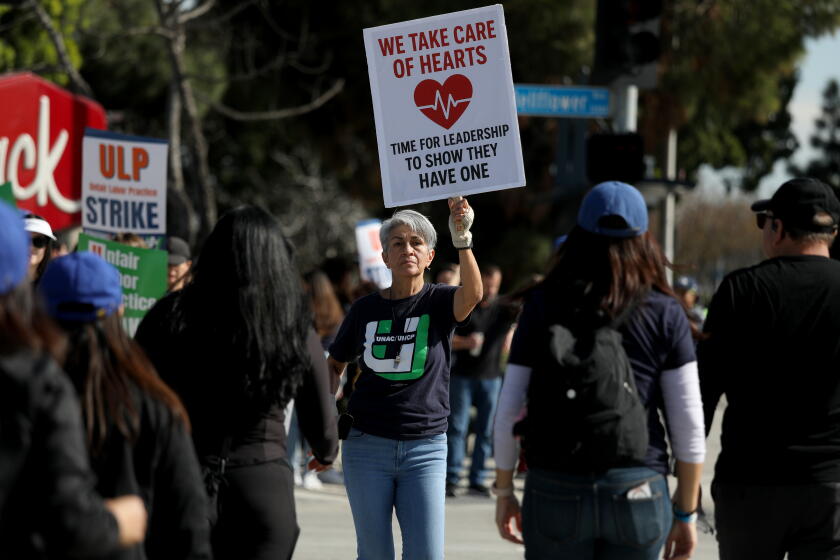
During the strike, this proved detrimental. Some labs and pharmacies completely shut down, while others operated with limited staff. Emergency rooms and urgent cares were kept open by non-striking managers and physicians, but patients still reported difficulties in securing care, including delays in appointments and elective procedures.
Luckily, that uncertainty began to shift after a development between Kaiser and both the California Nurses and Healthcare Professionals Union on March 23. The majority of union members voted to ratify new contracts, including stronger staffing protections, new patient care standards, and the largest wage increase in the union’s history.
The agreement, which will remain in effect until September 2029, marks the beginning of a hopeful transition in Kaiser’s relationship with its staff and patients. Union officials emphasized that holding Kaiser accountable to the new staffing ratios and care standards set in the contract will be crucial in seeing substantial improvement in the patient experience.

For patients, the contract’s ratification offers hope for the future. Whether this momentum translates into shorter wait times, more consistent care, or access to emergency services will depend on how effectively those changes are implemented across a system that serves millions, and shapes much of California’s healthcare landscape.

