

What’s Changing at The Lair? Inside LMU’s New Dining Program


LOS ANGELES— As students, staff, and administrators negotiate a recently implemented food program that aims to “prioritize sustainability, efficiency, and the student experience,” Loyola Marymount University is getting ready for a significant change in campus eating. LMU employees and representatives of Aramark, discussed what students may anticipate from the shift at a hospitality event hosted by the LMU service organization Sursum Corda on April 21. The event raised questions and concerns about how campus meals will change.
Eight university employees and food service professionals attended the event to talk about the university’s decision to switch from Sodexo, its long-standing dining supplier, to Aramark Collegiate Hospitality.
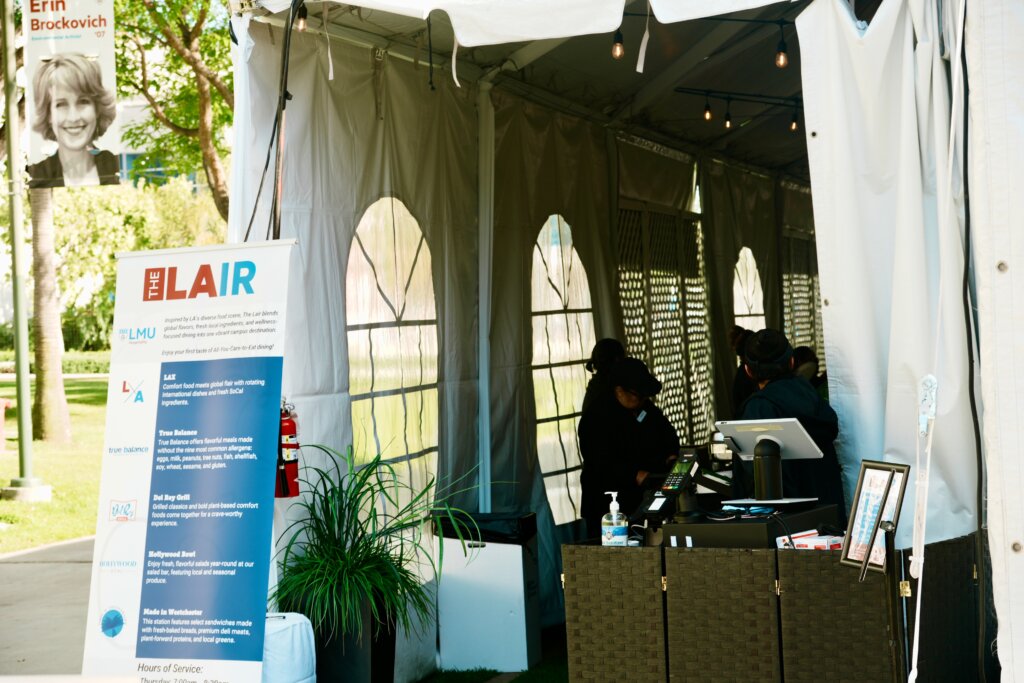
LMU had to reevaluate its dining goals after its previous 10-year contract with Sodexo expired in 2025. The university started a formal Request for Proposals (RFP) process to assess possible contractors, according to Andrew O’Reilly, Vice President of Auxiliary and Business Services. “We wanted to have an open and transparent process for students as much as we could,” said O’Reilly. The university finally chose Aramark after conducting student focus groups and gathering feedback, citing “common principles and compatibility with campus requirements.”
Aramark Regional Vice President Jim Accardi presented the new dining program’s framework during the panel, highlighting its three main pillars: principles, planning, and people. Reducing food waste is a key component of the program, and LMU Chef Martine Ubijara goes into great detail on this topic.
Waste reduction starts in the kitchen with appropriate training and preparation methods, according to Chef Ubijara. Employees are trained to reduce surplus by using batch cooking, proper portioning, and precision cutting techniques. Additionally, the initiative uses data tracking to keep track of food consumption and waste. According to Accardi ,“collecting food waste provides valuable insight into what is being wasted and why.” Dining services are able to modify production and prevent over-preparing meals thanks to this data-driven method.
In terms of operations, the new system includes pre-service meetings to guarantee accuracy and consistency as well as daily production meetings to discuss variables like weather, staffing, and menu adjustments.
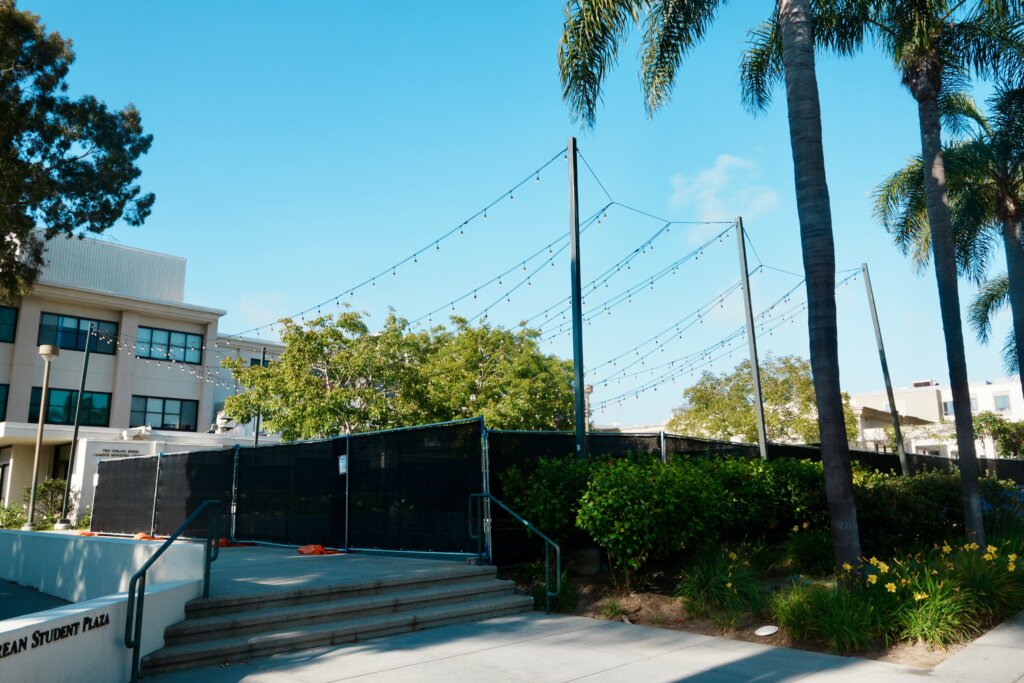
The Lair’s reorganization will be among the most obvious adjustments for students. In the new approach, students can enter the dining hall and eat as much as they like after swiping their Lion cards. However, only paying students will be able to enter, and non-paying visitors will no longer be able to use the seating areas. Temporary food trucks and tent seats are available as construction on The Lair, which started on April 25, is anticipated to continue throughout the summer.
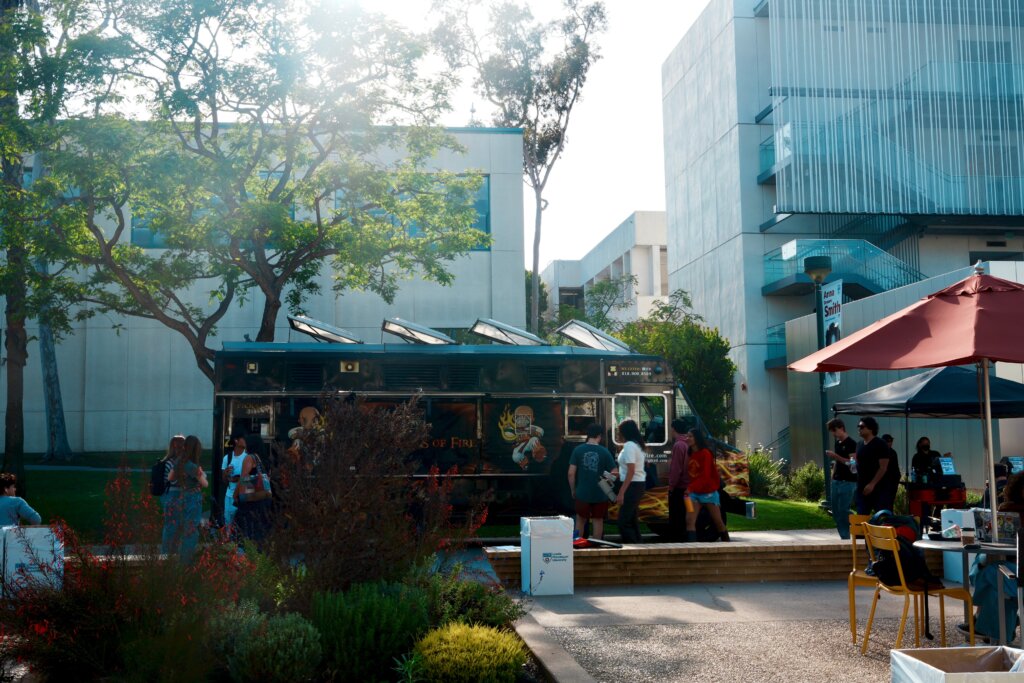
Meal plans will also be modified, with one to two swipes per day for Lion Gold Cards and two to three for Lion Platinum cards, each worth about $11 to $12. The dining website allows students to check daily meals online.

Smaller plates have also been introduced in an effort to encourage kids to start with less food and come back for more if necessary. Administrators say that the main objective is to minimize unnecessary waste while maintaining a variety of fresh food options. “We’re going to start cooking smaller batches so we don’t have a lot of product that’s spoken about not being able to be served,” said O’Reilly.
However, some restrictions, especially those pertaining to takeout possibilities, caused students to express concerns. “You’re going to have to make a decision when you make it to the dining hall and that is what I am eating…but if you dine there there is no way to moderate that,” was the response to a question about whether to-go boxes would be available, highlighting systemic restrictions. Administrators stressed that permitting takeout might result in abuse. “We can’t have people sit, eat a full meal and then grab a separate container, fill it with additional food and then hand it off to your friend,” said O’Reilly.
While the university maintains their focus on “sustainability, structure, and responsibility,” the switch to Aramark marks a substantial change in LMU’s dining operations. Student responses indicate that the program’s success will depend on how successfully these adjustments strike a balance between efficiency and flexibility in day-to-day campus life, even though its goals are to minimize waste and enhance food quality.
