


Take a drive through South L.A. and one thing is apparent: There is significantly more litter than more affluent parts of the city. There is also a noticeable increase in unhoused people. It’s hard for people living in those neighborhoods — whether they’re housed or unhoused — to trust the government amid the obviously unfulfilled promises to provide needed services.
That’s one reason why community driven resource centers like Ultimate Restoration Unlimited (URU) are so important. According to their website, URU is a “community resource center that facilitates resources and manages community service projects that increases civic engagement, community service awareness and ultimately show proud representation in underserved communities.” URU founder Teresa McDonald experienced housing insecurity earlier in her life, but has since been able to turn her efforts toward uplifting her community.
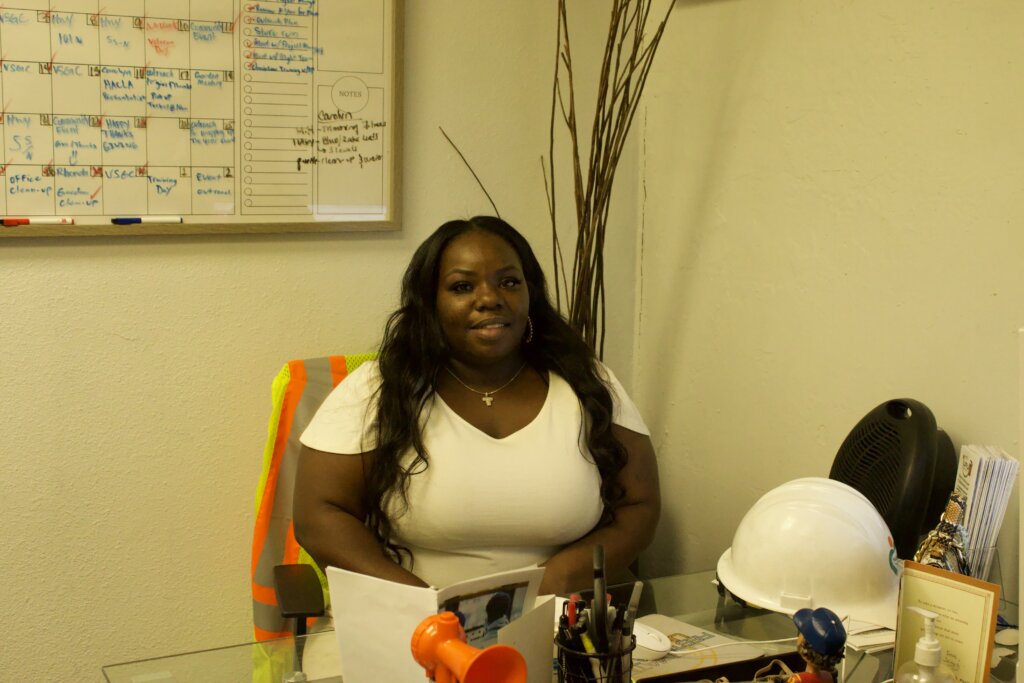
McDonald started the organization in 2014, and has officially run its operations out of a small office space a stone’s throw away from USC since 2020. “Growing up in South L.A. myself there wasn’t a lot of resource centers around or just places to go to get, like, answers to my questions,” she said.
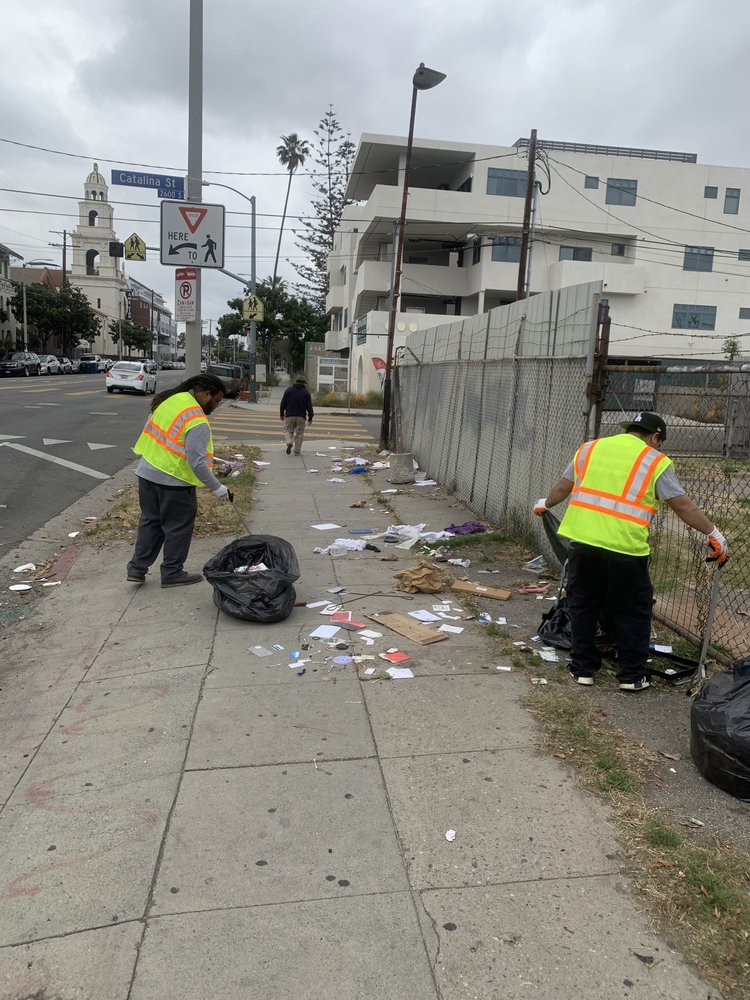
URU’s signature Blight Patrol is a task force that “specialize in providing comprehensive and sustainable solutions to address the pressing need for cleaner communities and a healthier planet.” The Blight Patrol is available to hire for jobs including green waste management, landscaping services, recyclable collection services, beautification services, and highway cleanups. They also offer workshops to prepare people for the job market, wellness and transportation services, and re-entry services to help former inmates excel post-incarceration.
To date, URU owns and operates a community garden, adopted four highways that they keep litter free, and recently joined Water Talks, a public program that has funding for green infrastructure for underserved communities. Most notably, URU received its first government contract that will be implemented starting 2024. The contract will allow URU to sell its services to the city, county, or state and any department that falls under those three categories. The funding from the contract will allow URU to continue expanding its outreach and help small businesses.
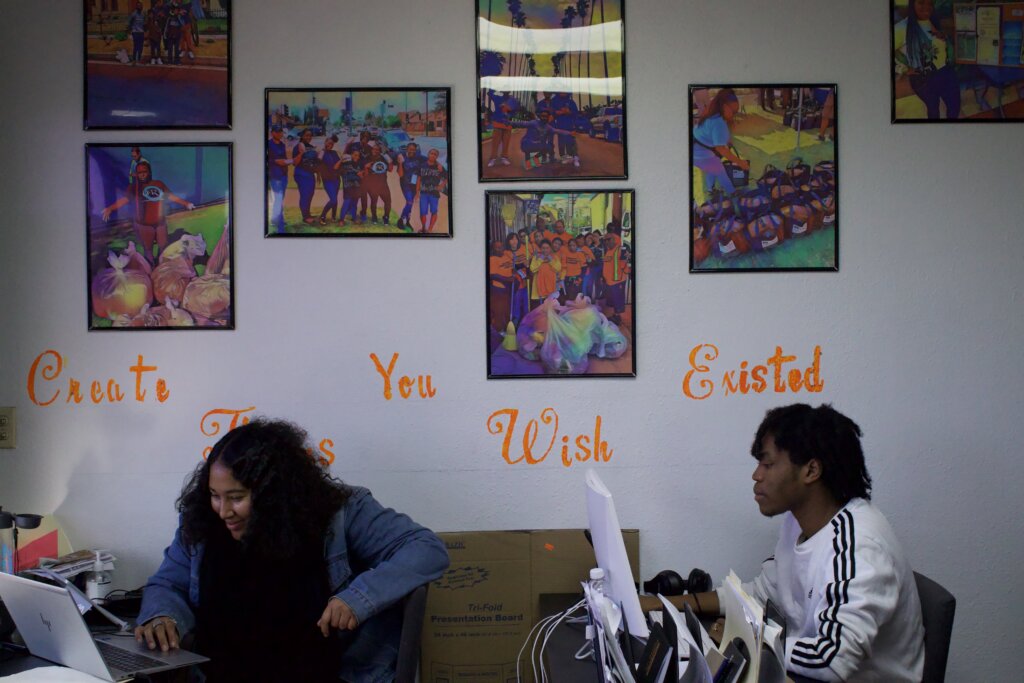
“We are like a centralized hub, or, we’re developing this centralized hub where community members can know that they have a system working for them,” McDonald said.
Understanding the significance of organizations like URU requires an understanding of Black History. Historically, Black Americans have typically been subject to worse housing quality than White Americans. This dates all the way back to chattel slavery, in which the enslaved lived in small shacks with little to no furniture and experienced cruel mistreatment from their masters. Black Americans continued to experience poor living conditions throughout the 20th century thanks to Jim Crow laws and redlining that entrenched racial segregation and housing inequality, and perpetuated racially motivated violence and economic disparities.

Redlining is a discriminatory practice that began in the 1930s. Now illegal, redlining on an explicitly racial basis involved denial of loans or insurance to aspiring Black homeowners. This led to many Black families living in areas with limited resources and poorer living conditions. This continued until the Fair Housing Act of 1968. However, redlining still exists today and contributes to the social and economic disparities in lower income Black neighborhoods such as South L.A. Even with the promises of politicians to improve these areas, a lack of progress can feel discouraging.
“It’s been a roller coaster, up and down because a lot of the city officials just are on cruise control,” said McDonald. “They’re like, ‘I’m gonna go this amount of speed. Go around me if you need to.’ And they’re not helpful, and that can discourage us as a community because for so long, we haven’t had a voice or been in this equal playing field.”

McDonald and URU focus on community outreach to develop a strong relationship with neighborhood councils. “I can not be discouraged because I know that this is key. It’s a system that runs our community. That’s where the work is,” she said. “Once you overcome different barriers and you apply your learnings and you just keep at that determination, things just kind of move into place.”
