


Politicians seem to be among the only workers who never dream of retirement. The past three presidents have set the record for the oldest president at the time of election, sparking nationwide calls for generational change in leadership. But is the issue really about age?
Barack Obama was the fifth youngest president, but this doesn’t make him a better or more qualified candidate. The argument against older politicians tends to be that it is time for a new way of thinking, but that implies that generations act universally with politics. In comparison to Obama, Joe Biden — the oldest president until Donald Trump’s second term — selected a more progressive cabinet.
I understand that many people reach a certain point where they no longer can complete their jobs. I’m certainly not suggesting that a bedridden 90 year-old dementia patient should be running our country.
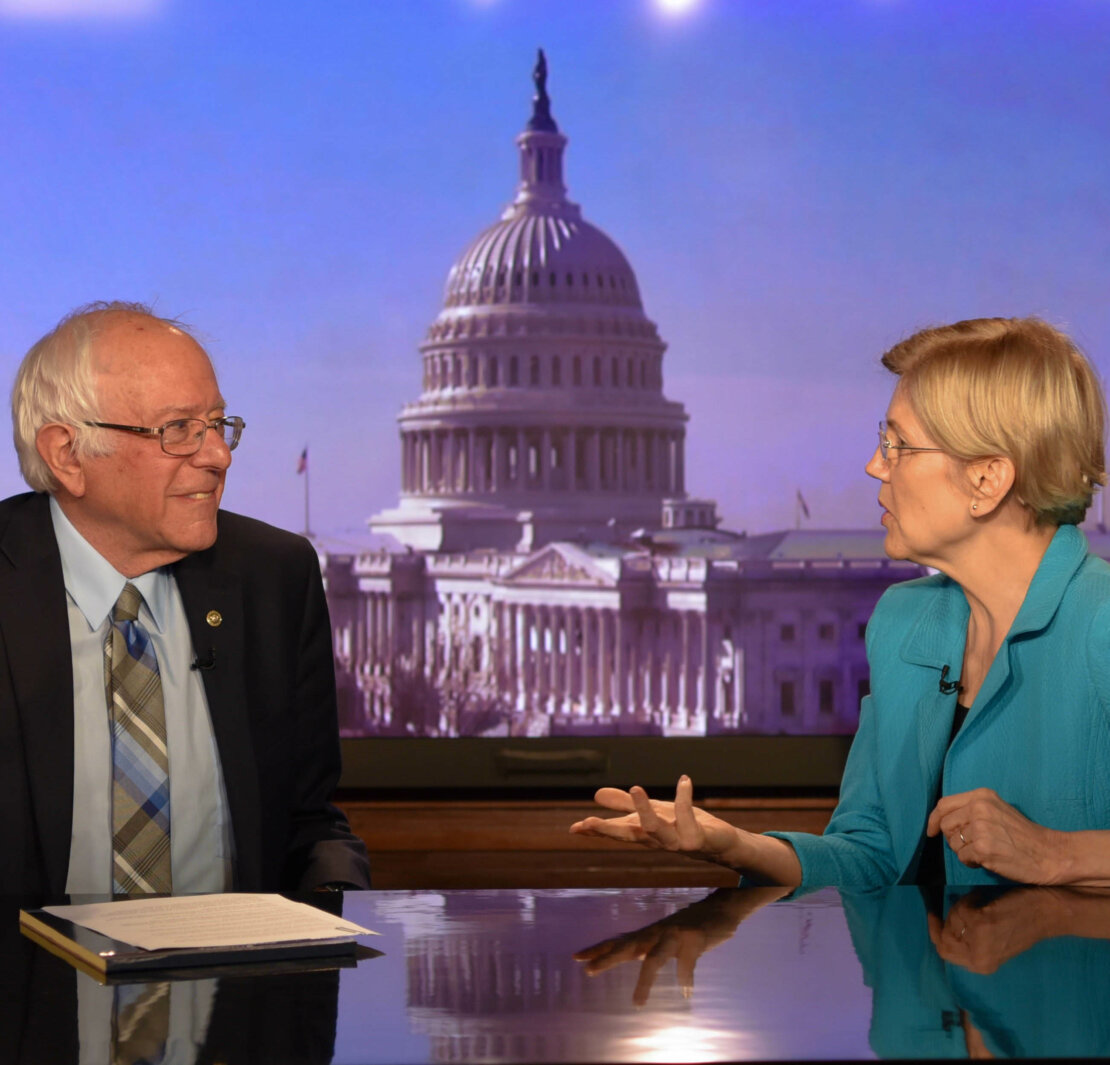
The two most progressive Democratic candidates for president in 2020 — Elizabeth Warren and Bernie Sanders — were among the oldest vying for the nomination. Watching the primary debates revealed that they were the only candidates with clear, strong convictions. Perhaps some older politicians are more focused on leaving behind a better world for their children than their middle-aged peers who still belong to Wall Street.
While this is a hot topic with both parties, the Democratic establishment has been especially hypocritical on the issue. If Kamala Harris was supposed to be the signal of a generational shift in leadership, the Democrats have already changed their mind.
Last week, Governor Janet Mills of Maine announced her candidacy for the Maine Senate seat that is up for election in 2026. Mills, who is term-limited as governor, is fighting to defeat Republican Susan Collins’ sixth reelection campaign. Mills is 77 years old. If elected, she would become the oldest freshman senator ever.
Before she gets to the general election, Mills must defeat several Democrat hopefuls, including Graham Platner. Platner became an unexpected candidate who resonated with voters for his grassroots organizing and progressive vows to eliminate billionaire influence on elections, among other policies.
With many months ahead before the primary, Platner already received an endorsement from Sanders, while it was reported that Senate Minority Leader Chuck Schumer heavily recruited Mills to join the race.
The Maine Senate race is a microcosm of the Democratic party’s internal struggle — the establishment versus grassroot campaigns.
When asked by Jen Psaki if this is a generational race, Platner responded, “It’s about generational politics. It’s not about age. It’s about our thinking. It’s about the kind of politics we want to see, the kind of future we want to build.”
This echoes statements made by Congresswoman Alexandria Ocasio-Cortez, known commonly as AOC, when she endorsed Massachusetts Senator Ed Markey in 2020.
“When it comes to progressive leadership, it’s not your age that counts. It’s the age of your ideas,” said AOC in a television ad for Markey.
Markey defeated a primary challenge from Joe Kennedy III in 2020, but Representative Seth Mouton announced he would be challenging the 79 year-old senator again in the 2026 midterms.
Markey already received an endorsement from Warren, his senior senator. While leaders of the Democratic party have not yet taken a stance on the race, the Massachusetts race reflects the Maine race as it is a battle between moderates and progressives. The difference, however, is the age of the progressive.

While many people argue that there should be a Congressional age cap, I wonder what policies they endorse. If age is such a big issue, those people would surely endorse both Moulton and Platner. The former broke from his Democrat peers and immediately turned on transgender people following the 2024 election. The latter said that he stands “right in the f—ing way of anyone who’s going to try to come after the freedoms of the LGBTQIA+ community.” Supporting both of those candidates would be strange.
Moulton may have spent less years on the planet than Markey, but his thinking is still older. Picking a marginalized group to scapegoat when times get tough is about as outdated of a concept as they come.
That isn’t to say that there is no benefit in young leadership, but we don’t need to count older leaders out.
Sanders embarked on his Fighting Oligarchy tour with AOC, which many viewed as him passing the torch to a younger, progressive voice in politics. Together, the two spoke across the country to crowds of thousands, reiterating their demands to get billionaires out of politics. There’s no denying that AOC is expanding her name recognition by promoting economic reform policies in Republican states, but with each speech, Sanders proves one thing: he’s still got it.
For young people, it can seem bizarre that one of the leading voices in politics was present for Martin Luther King Jr.’s “I Have a Dream” speech. I get the appeal of moving forward to younger candidates — especially when it comes to nationwide presidential elections.
But the 84 year-old has not lost the fight. Nor has Markey, Warren or several other progressive politicians from the silent and boomer generations. There’s no reason for us to give up on them if they haven’t given up on us.
