


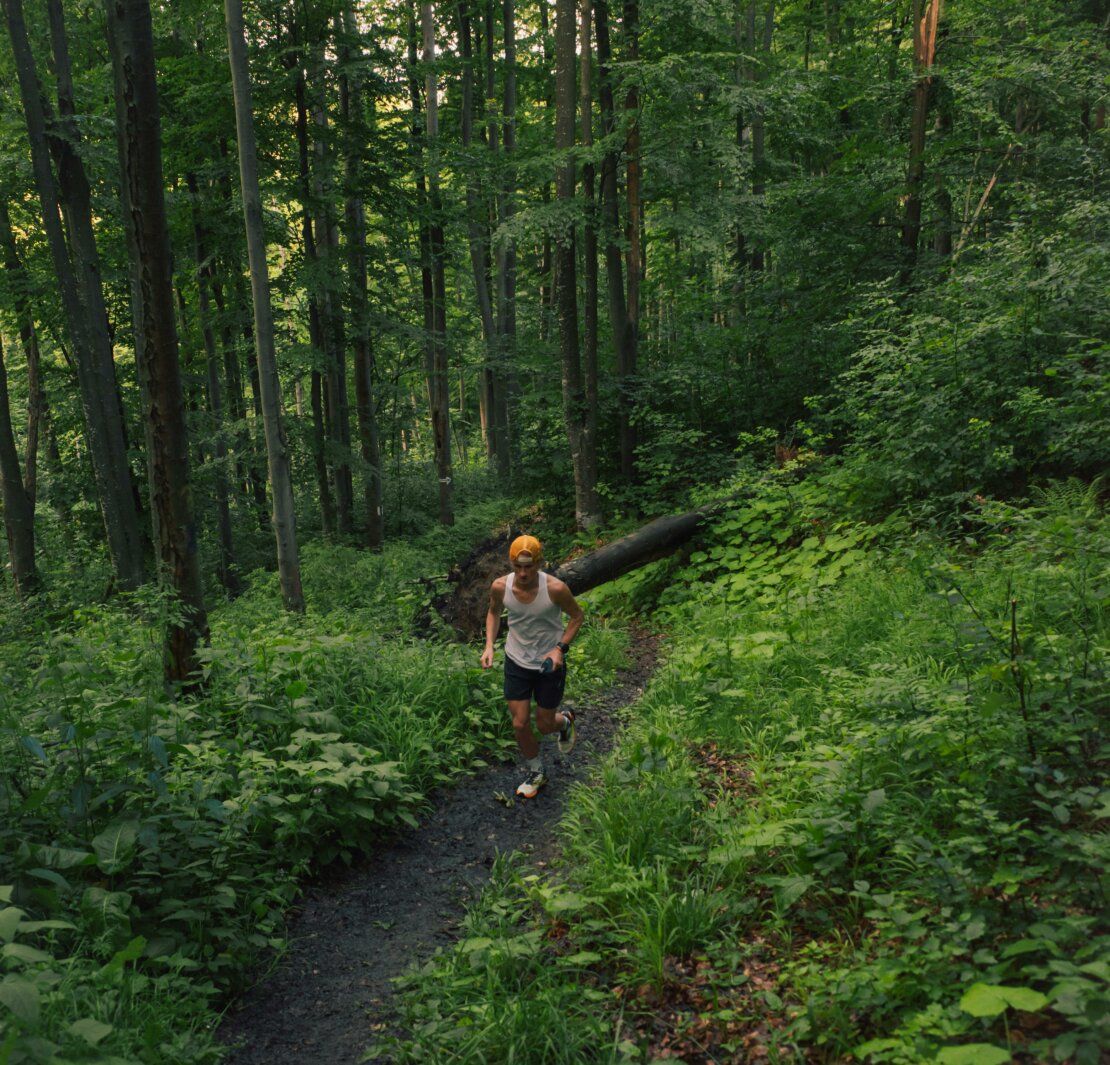
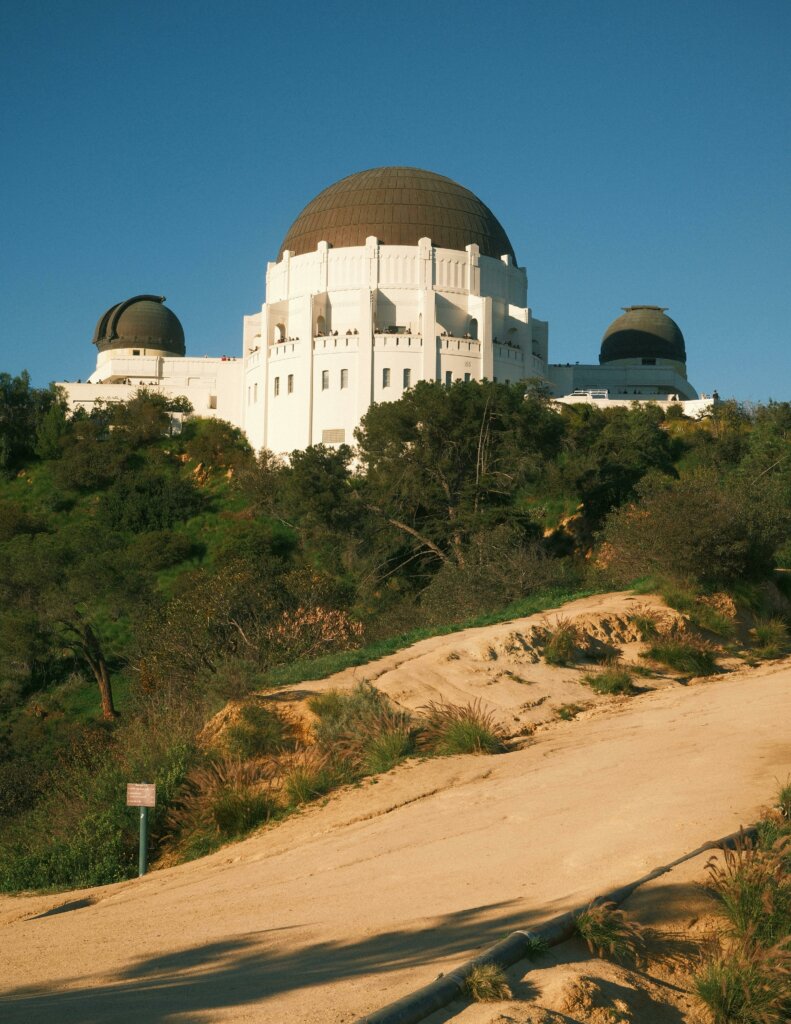
In Los Angeles, there is already movement in the hills at 6 in the morning, even before traffic picks up and the city wakes up. You will witness runners taking advantage of every opportunity the trails offer if you trek up into Griffith Park or along Temescal Canyon’s ridges. In Los Angeles, trail running is nothing new; however, it seems to be everywhere nowadays.
The trails can be a surprising escape from a city known for its freeways and constant movement. Trail running also gets rid of a lot of the things that road running uses. For example, watches still keep track of time and distance, but the numbers don’t matter as much when the terrain keeps changing. A flat mile on pavement isn’t the same as a mile uphill in the dry heat, and the difference makes runners change their approach. They aren’t concerned about splits; they care about effort, elevation gain, and mileage. Instead of worrying about how fast they run, they focus on progress.
There are a lot more people in Los Angeles who run on trails now. Social media sites like Strava and Instagram have helped runners connect, but the real growth is happening in person at trailheads, group runs, and weekend meetups. Groups like SoCal Trail have done a lot to build that community by putting on runs that are open to people of all skill levels. The barrier to entry is still pretty low, so people of all skill levels can join in.
At the same time, smaller, local groups are having a bigger impact on culture in more personal ways. One example is Satellite LA, a café near Griffith Park that has quietly become a gathering point for runners. Every other Tuesday, its trail team meets in the early morning, heading straight from coffee to climbs. It’s a distinct blend that only Los Angeles has, with community, fitness, and lifestyle intersecting in a way that feels organic rather than organized. There are no formal sign-ups or race-day nerves. It is just a group of runners showing up, sharing a route and heading out together. The result is a scene that feels both expansive and personal. You might not know everyone’s name, but you’ll recognize faces, routes, and routines.
Los Angeles offers something few major cities can: extreme variety in terrain. Within a single week, a runner can train on steep fire roads in Griffith Park, navigate technical trails in Angeles National Forest, and cruise along coastal paths with ocean views. That variety makes you stronger and more adaptable, which are two things you need for long-distance trail running.
Because of this, Los Angeles has become a training ground for athletes getting ready for some of the hardest races in the sport. The Western States Endurance Run, for example, is a 100-mile race known for its brutal climbs and heat. Many of the competitors have run in the hills of Southern California.
Even so, running here has its problems. The temperature can rise quickly, especially in open areas. Many routes don’t have easy access to water, so runners have to bring their own. When there are wildfires, trails can close without warning, so runners have to change their plans at the last minute. To be successful, you need to be able to change.
Despite the physical demands, many runners describe trail running as less about competition and more about connection. It is a connection to the environment, to other runners, and to a slower pace of life that’s harder to locate in the city below. Moments of stillness are built into the experience. A pause at the top of a climb reveals views stretching from downtown skyscrapers to the Pacific Ocean. When you run in the early morning, you might see deer, hawks, or even a coyote. Even popular areas can feel quiet at the right time of day.

And then there’s the mental shift. Runners discover a more natural rhythm on the trails because there are no traffic lights, crowded sidewalks, or city noise. Conversations and thoughts flow differently on the trails. In a place known for speed and distraction, trail running offers something rare: a chance to disconnect without leaving the city.
Los Angeles needs more places that are not too busy as it grows. To meet that need, trail running is an accessible and excellent choice. You don’t need expensive tools or special access. You just have to be there early, often, and ready to climb. The start point is the same whether it’s a planned group run with SoCal Trail or a casual Tuesday morning with the crew at Satellite LA.
Look for a path. Get moving.
Los Angeles starts to feel a little different somewhere between the city and the top.
