



When fans arrive at LMU for a sporting event, they see the finished and polished product. The scoreboard is running, the playing surface is spotless, concessions are open and the teams are ready to compete. What many people do not see, is the countless time preparing for these events so that they can run smoothly.
For Andrew Vidales, LMU’s game operations and facilities manager, much of his job is making sure that fans don’t have to think about what is happening behind the scenes. “Preparation is key,” Vidales said. “If you don’t prepare, if you’re not ahead of it, the mistakes come from you not preparing ahead of time.”
Vidales joined the LMU family in April after previously working in athletic operations at Long Beach State and San Diego State. His experience in college sports began as an undergraduate at UC Berkeley, where he spent four years as a manager for the men’s basketball team. As a manager, Vidales traveled with the team, coded film, set up practices and handled whatever else the program needed. That hands-on experience eventually led him to game operations.
Now, Vidales is part of a four-person game operations and facilities team at LMU. The group helps coordinate visiting teams, officials, parking, security, concessions and other aspects of athletic events.
The responsibilities also vary depending on the sport.
For a volleyball game, Vidales and his team may need to set up replay technology, check the scoreboards, make sure the livestream is always up and running and ensure the net meets regulation standards. For soccer, their involvement is much more hands off once play begins. “Once the game starts, you kind of just let them play,” Vidales said of soccer.
But the work begins well before either game starts. Vidales says the staff usually sets up part of the venue days before the event rather than waiting until the day of. “We got a game on Thursday, but I’m already prepping for that game today,” Vidales said. “Our preparation for any game happens at least a week in advance.”
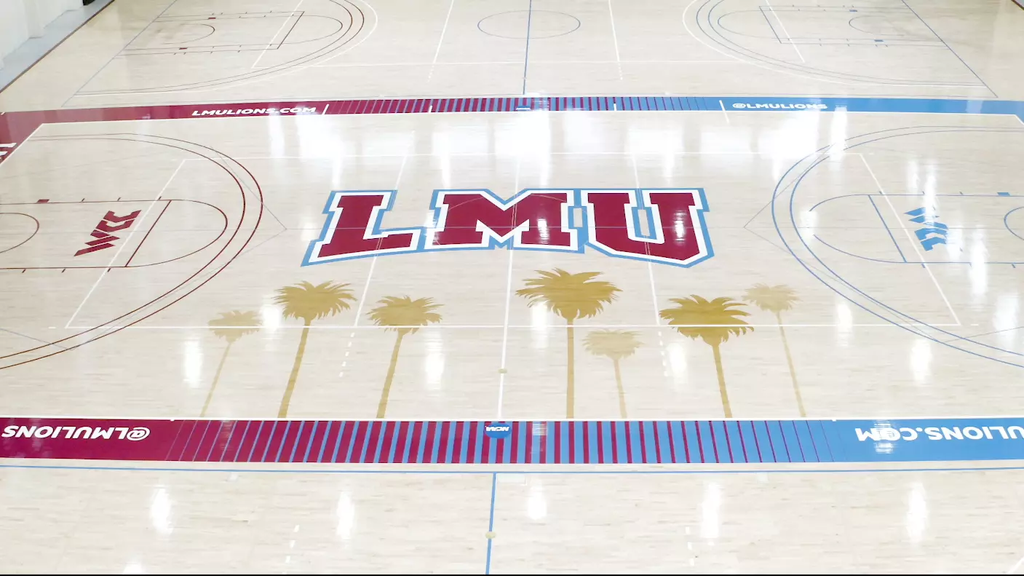
Putting on a game also extends beyond the four people in Vidales’ department. His team regularly works with facilities management, public safety, parking and transportation services, concessions and grounds crews. Public safety helps provide security, parking services helps accommodate visiting teams and officials, and facilities management maintains athletic grounds and assists with projects involving LMU’s fields. Together, the departments handle details that spectators may only notice when something goes wrong.

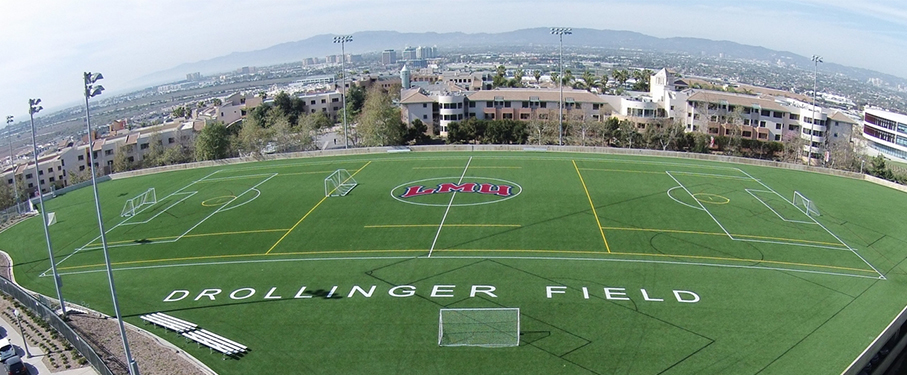
Vidales says that student workers are another vital part of the game day process. They assist the operations staff in preparing events and athletic facilities. “We have a group of around 30 to 40 undergrads that work tirelessly to help us prepare every single event, every single facility, so that it’s ready for a game,” Vidales said.
Although Vidales has only been at LMU for six months, he said his previous experience has helped him adjust quickly. After years of working the game, he’s observed how many different types of events have operated and uses that knowledge to prepare for future events. Learning as many parts of event operations as possible has been central to his time here at LMU. “I pride myself on just being able to do a lot,” Vidales said. “I just try to soak up as much as I possibly can.”
For fans, much of that work remains invisible. When everything operates smoothly, there may be little reason to think about who prepared the facility, arranged parking, tested the scoreboard or made sure the visiting team had what it needed. For Vidales and the workers behind LMU athletics, however, that is part of game day and their commitment to providing the best experience for everyone attending an event.
Vidales only asks for one thing in return, and that’s for the entire LMU community to come out and enjoy LMU sports. “Come to the games. We’d love to have you guys there.”
