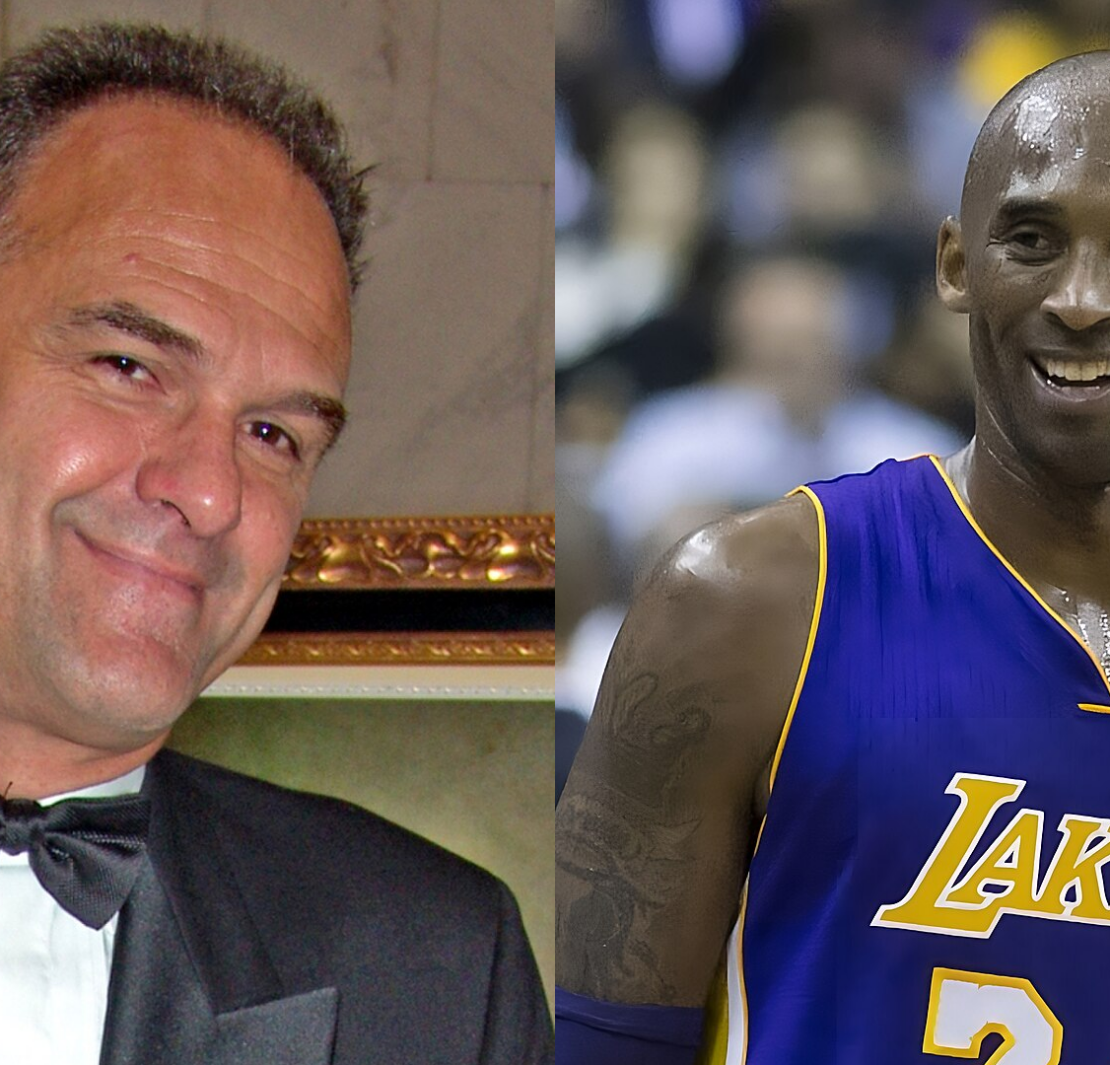
Most NBA fans can list the defining moments of Kobe Bryant’s career. The five championships. The 81-point game and the relentless competitiveness that defined an era. But far fewer can name one of his earliest and most influential basketball idols.
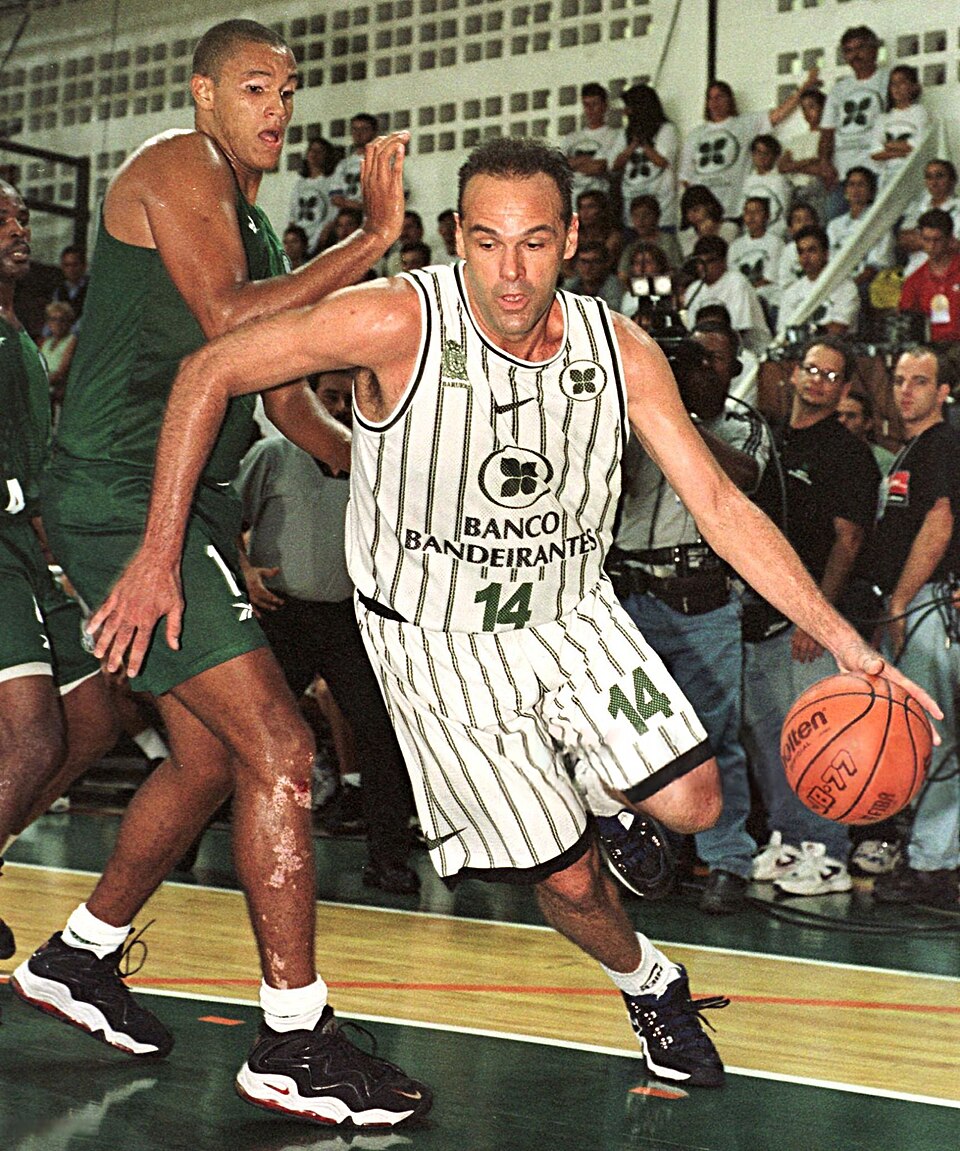
That player was Oscar Schmidt, a global icon of the game who passed away on April 17th, 2026, at 68.
Schmidt’s name may not resonate with casual NBA audiences, but his legacy stretches far beyond American borders. For a young Bryant growing up in Italy while his father played professional basketball overseas, Schmidt wasn’t just a star. He was the star.
During the 1980s, Schmidt dominated European leagues with a scoring ability that seemed almost mythical. His offensive talent matched only his work ethic, which became the foundation of his legend.

Stories of Schmidt’s training bordered on unbelievable. He reportedly took 500 extra shots a day after team practices, refining his form long after others had left the gym. He set strict goals for himself, refusing to leave until he made 20 consecutive three-pointers. At one point, he pushed that streak to 90.
That level of obsession wasn’t common, but for Bryant, it was formative.
For a young Kobe watching from the stands and television screens in Italy, Schmidt made an indelible mark. Years later, Bryant reflected on those early influences, saying, “When I was growing up, I watched Oscar play against my dad in Italy, and he was extraordinary.”
Bryant didn’t just admire Schmidt from afar; he studied him. “He was the guy when I was a kid,” Bryant once said, according to ESPN Brasil, recalling how Schmidt stood out in the European game. To Bryant, Schmidt wasn’t just another exceptional player. He was the standard.
Years later, Bryant would become synonymous with the Mamba Mentality, a philosophy built on discipline, repetition, and an almost obsessive drive for improvement. While that mindset became his trademark, he traced its roots back to the habits he observed in players like Schmidt.
Schmidt’s greatness extended beyond practice gyms. He played in international games that changed how the basketball world saw players from outside the U.S.
The 1987 Pan American Games were one of the most important events in Schmidt’s career. He took Brazil to one of the biggest upsets in basketball history against a U.S. team that was heavily favored and full of future NBA stars like David Robinson.
Americans were shocked when Brazil caused a major upset. Schmidt scored with confidence. It wasn’t just a win; it was a message. It also indicated that there were exceptional basketball players outside of the NBA. They could play against and beat the best players in the U.S.
Even though Schmidt was very successful, his career took a turn that seems almost impossible today.
He was drafted by the New Jersey Nets, an opportunity that would have brought him to the world’s biggest basketball stage. But at the time, international basketball rules created a difficult choice:
Playing in the NBA would have made him ineligible to represent Brazil in global competitions.

For Schmidt, the decision was clear. He chose his country.
He sacrificed his opportunity to play in the NBA, his fame in the U.S., and the chance to compete at the highest level to represent his country. Instead of playing in the Americas, he built his legacy in Europe and in international tournaments.
Schmidt never played in the NBA, but that did not stop him from impacting the game in a big way. He had a long career, scored many points, and changed the game all over the world. This is why he was chosen to be in the Naismith Memorial Basketball Hall of Fame, a major honor for a player who never suited up in an NBA jersey.
Bryant often said that it’s important to look at the game from a global perspective. Growing up in another country, Bryant had access to styles and players that many American athletes never had. By watching Schmidt stay focused and work hard, Bryant learned what it means to be exceptional.
As the basketball world reflects on Schmidt’s passing, his legacy lives on not only in record books or highlight reels but also in the players he inspired. Among them is one of the greatest to play the game.
And perhaps that’s the most remarkable part of his story.
One of Kobe Bryant’s biggest influences never played a single minute in the NBA yet helped shape the mindset that would define an entire generation of basketball.