


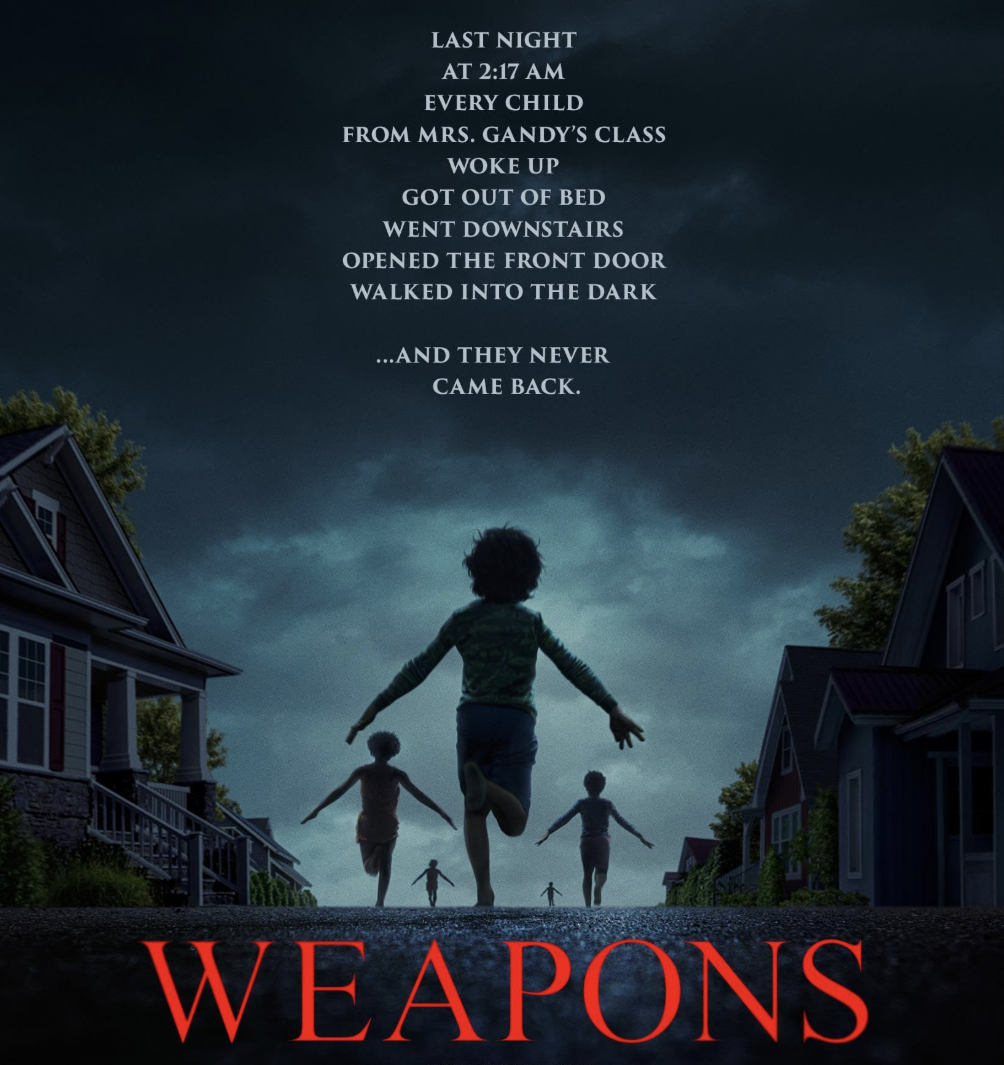
As of September 22nd, the first official day of fall, the 39 day countdown until Halloween begins. It’s a time for carving pumpkins, bobbing for apples, and roadtripping to desolate corn mazes. It is also the season of all things horror. Although scary movies play on the big screen year long, it feels as though there is something particularly festive about seeing them during the autumnal months. As the nights grow longer and the weather cools, we are drawn into the darkness of theaters for thrills and chills.
For many, horror is a form of escapism. It’s silly, ridiculously outlandish, and entirely unrealistic. However, in recent years this previously dismissed genre has seemingly been held in a higher regard by filmmakers and critics alike. In a world where scary movies were once lucky to receive a 40% green splatter, many now earn ratings that far exceed the passing red rotten tomato score of 60%. So, what exactly is changing the public and critical reception toward this genre?
Director Jordan Peele has specifically been recognized in recent years for incorporating social commentary into his works of horror. His box office hits “Get Out”, “Us”, and “Nope”, have all explored themes of generational trauma, systematic racism, and exploitation. Gaining something of a cult following with his thought provoking filmography, the Golden Globes quoted Peele as saying, “We need more allegory because, I think the only way we listen, quite often enough, is when we’re entertained and when the commentary is Trojan horsed through great content”. It is this “Trojan horsing” that draws audiences and viewers alike to modern horror. It is the opportunity to observe and digest a story, taking it in attempting to unlock what was really being said.
The last few years have seen this new type of allegorical scary movie attempt to tackle meaningful themes in a way that acknowledges the audience’s intelligence. Harboring complex messages through preying on our fears, they allow the viewer to interpret what is really being said on their own. Cinephiles are finally viewing the horror genre as one with something of substance to contribute.
One new blood-curdling release seemingly logged on every LA film major’s Letterboxd is director Zach Cregger’s latest, “Weapons”. Known for his 2022 critical and box office success, “Barbarian”, the announcement of this new project came with no shortage of fan fare. Released on August 8th of this year, the film came out just in time to tease those sick of summer with a few early spooks. And, according to critics and audiences alike, it more than delivered in this department. Rotten Tomatoes gave the psychological horror a formidable 94%, with 77% of Google users leaving positive reviews.
LMU senior Zach Labeaux, an AMC A-Lister and avid movie reviewer, cited “Weapons” as being the film to officially turn him into a Zach Cregger fan. “He doesn’t think twice about genre-bending on the fly, and his stories are compelling because, just when you think you have it figured out, he throws something new at you that changes the whole thing”, the Film Production major wrote in his Letterboxd review.

While initially concerned that the film would take on a “heavy-handed school shooter metaphor with nothing else to offer at the end”, Labeaux found the film to be confident in its identity while leaving room for thematic depth. It was intentionally vague in all the right places, allowing each viewer the potential to take away a unique message.
Chapman senior Blair Henry disagreed, writing “If everyone thought this movie was about something different, can you really say it was a good movie?”. Henry gave the movie a review of two out of five stars, seemingly unimpressed by its ambiguity.
While no one film can please everyone, it appears the modern horror is, at the very least, beginning to make people take the genre more seriously.
