


Courtesy of Amazon/MGM
Project Hail Mary is nothing short of a modern sci-fi classic. In a film landscape dominated by sequels, reboots, and adaptations of pre-existing properties, it reminds moviegoers that an adaptation, when done with proper care and attention, can be something truly special. Based on the Andy Weir novel of the same name, the film brilliantly brings to life the story of a reluctant scientist sent to space on a last-ditch effort to save the planet from extinction. The film is directed by the renowned duo Phil Lord and Chris Miller, who bring their signature humor and heart to every moment.
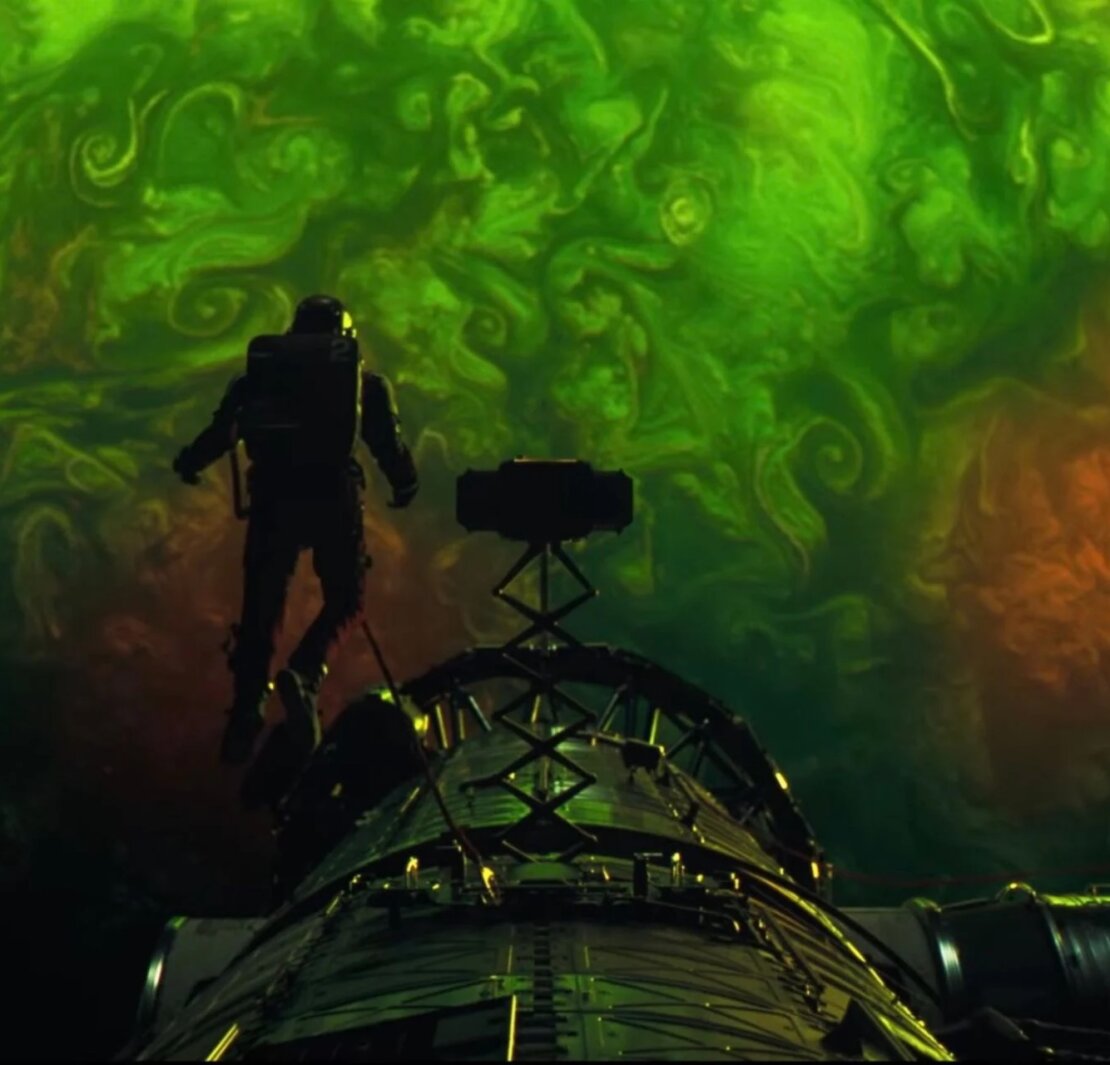
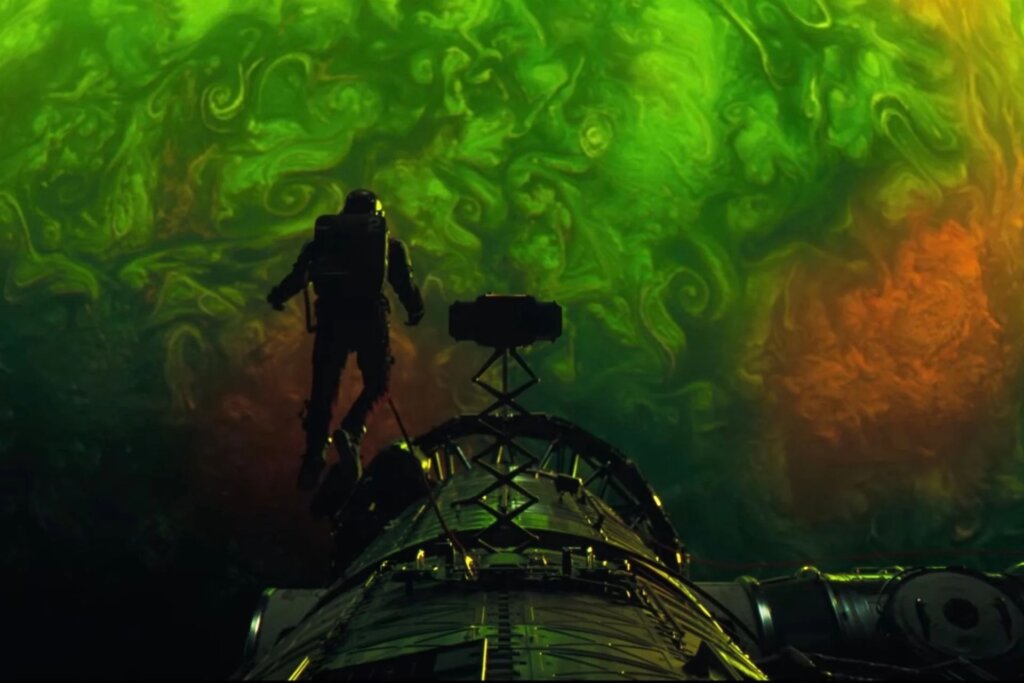
In the film, the sun is being destroyed by a mysterious organism known as astrophage. After discovering another sun on the other side of the universe that is immune to astrophage, Dr. Ryland Grace (Ryan Gosling) is sent on a mission to learn why and send his findings back to Earth. The story is brilliantly woven in a non-linear fashion, with Grace’s memory loss used as a narrative device to show flashbacks of his time on earth leading up to the mission. As his mission in space progresses, the audience learns more about the circumstances that led him there.
The story is nothing groundbreaking; it shares a lot of DNA with other sci-fi classics such as 2001: A Space Odyssey, Interstellar and Arrival. In many ways, it is a mashup of the three, featuring the lone survivor of a mission waking up after years in cryosleep, on a mission to save the planet from extinction despite knowing they won’t return home, and learning to communicate with an alien species. Where Project Hail Mary separates itself from its predecessors is in its tone. Despite the overwhelming stakes, it is wistfully lighthearted and unrelentingly optimistic in the face of impending doom. The film is laden with comedy, something these other films chose to forego in lieu of dramatic tension. This isn’t to say the movie lacks dramatic tension, but the drama is much more introspective instead of existential, choosing to focus on Grace’s struggle to accept being forced into the role of humanity’s savior instead of the threat of extinction.
Despite starring fan favorite Ryan Gosling, the real star of the film is Rocky, an alien creature made up of rocks that is a real-life puppet, not a CGI creation. The charisma between Grace and Rocky is off the charts. They form a powerful, cross-species friendship full of banter and heart that makes the audience want to root for them even more. The choice to use a real puppet instead of CGI was bold, but incredibly effective, as Rocky feels like a real, living creature and not just a digital creation.
Outside of Rocky, the film’s reliance on practical sets and effects is what makes it stand out from the usual sci-fi blockbuster fare. The film chooses to largely forego green screen, instead using massive practical sets, lighting, and digital screens. The CGI that is used is stunning and intentional, and demands to be seen on the largest screen possible.
Project Hail Mary has opened to critical and commercial success, and proves that a Hollywood adaptation does not need to be a soulless cash grab. In a world dominated by recycled material, it is a refreshing reminder that the power of authentic storytelling will always prevail.
Score: 8/10
