

LOS ANGELES- Artificial intelligence is nothing new to Hollywood. For decades, studios have used AI to enhance their films, whether through video effects, audio, or editing. However, the industry is now entering a new era with these tools. For the first time, artificial intelligence is being used in acting.
Discussions surrounding the use of AI in film have intensified over recent months, noting how it could revolutionize production while simultaneously causing ethical issues in the industry. Debates have sparked over labor, creativity, and unions, highlighting how it diminishes the craft of filmmaking.
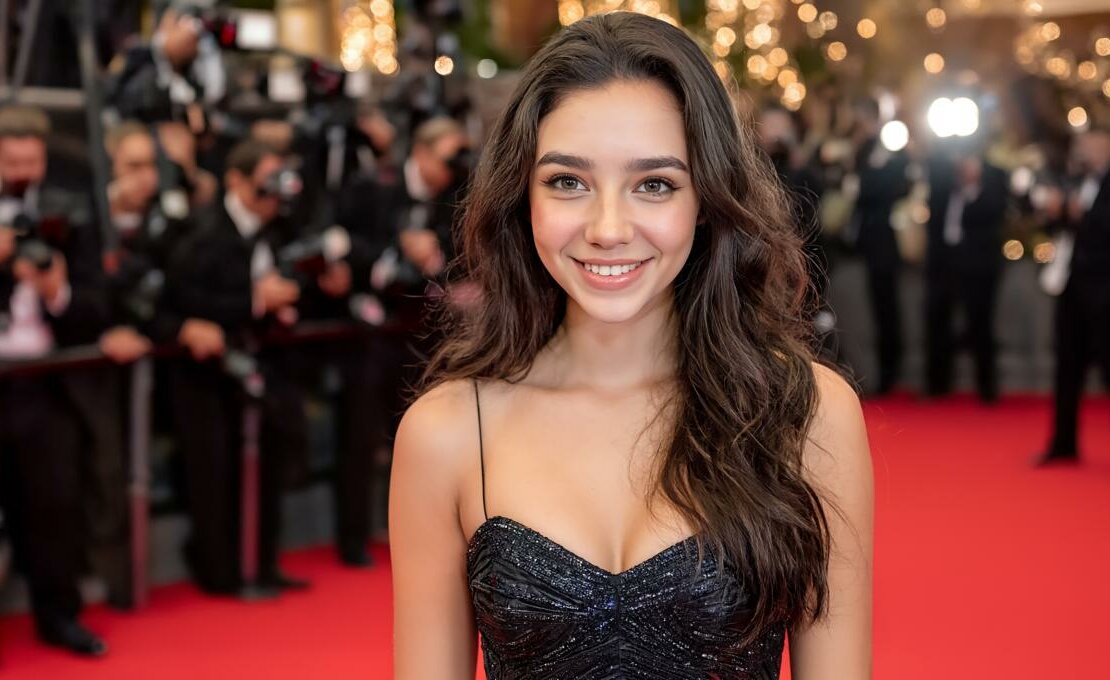
There has been a recent emergence of fully AI-generated actors in Hollywood. Notably, Tilly Norwood, whose debut has been causing controversy in the film industry. Now that she’s in the spotlight, Hollywood must find a balance between innovation and protection in storytelling.
Tilly Norwood’s arrival caught the industry by surprise. In July 2025, Particle6 released a short film that was entirely produced by artificial intelligence. The character wasn’t seen until the last thirty seconds of the film, generating buzz around the film community. By September, Norwood was officially unveiled at the Zurich Film Festival’s Zurich Summit, claiming her spot as one of the first AI-generated performers.
Norwood was created by Eline Van der Velden, the founder of Particle6, an AI-production studio. The goal was to create a new AI genre of storytelling. With a smaller budget, Norwood becomes a versatile tool to use among films.
Across the industry, the emergence of AI in film has caught the eye of many. Filmmaker Sara Caldwell says, “As an indie filmmaker it hasn’t affected me too much, though it irks me when I see AI categories or films in film festivals. They don’t belong there at all.”
Los Angeles is built upon the entertainment industry. While some imagine Hollywood as just a red carpet, the city relies on the working talent of all film professionals, including actors, directors, and artists who dedicate hours to their creative projects.
To many of these professionals, the debut of an AI actor is more threatening than just a novelty. Seeing a possibility where studios could choose technology and digital performers over humans for efficiency affects creativity as a whole.
Actors are those who are being directly affected. Robbie Kaller, an actor residing in Los Angeles, says, “I think AI will ruin the film industry. Besides the fact that it will cost actors jobs, it just isn’t the same as seeing raw talent perform on screen.”
Creativity is a backbone of being an actor in the film industry. The studio’s use of AI has raised questions about whether it can replicate genuine human emotion and depth, something that cannot be produced out of technology. Although it could assist in the production of filmmaking, it also has the potential to affect the storytelling elements that films use to connect with an audience.
Several film professionals have already publicly voiced their concerns, whether during the SAG-AFTRA strike or by signing petitions against Norwood and her referral as an “actor.” However, at the heart of the debate is the fear of labor.
“I think actors, speaking of myself, are scared of AI. If I perform work that the final cut doesn’t like but the scene needs to be in, they can AI it. I wouldn’t like that,” Kaller says.
The emergence of AI actors is not being viewed as an innovation to help current actors, but as a disruption looking to replace them. Without salaries, labor costs, and scheduling issues, studios can look to replacing human actors with the many benefits of using artificial intelligence. As AI has become more advanced, studios gain leverage in creating budget-friendly films with these alternatives.
“It’s had a tremendous impact on actors. Some have used it to [their] advantage while many have lost job opportunities as a result. There are now AI voice overs, background extras, and more. The Screen Actors Guild is fighting hard against the use of AI, but it’s a battle,” Caldwell says.
The appearance of Tilly Norwood comes at a notable moment, as the 2023 SAG-AFTRA strike addressed the use of artificial intelligence in film. Following one of the largest labor disputes in Hollywood history, the union secured multiple agreements to safeguard actors’ rights and their performances. The 2023 TV/Theatrical Contract establishes guardrails that are designed to protect actors, ensure consent, and regulate digital replication before scanning.
However, the new agreement doesn’t ban AI. Instead, it governs it fairly and allows transparency between those in the film industry. Since the agreements were constructed around existing human identities, Tilly Norwood becomes a gray area. Because she was not used with a human source, she falls outside the standard protections as an “actor” in the industry. This could reshape future negotiations, as she can still be used, but just not as an actor.
Just as this ended, another strike began. The SAG-AFTRA video game actors’ strike over AI lasted 11 months. Actors, once again, demanded protections over the use of AI in video games, as their faces, voices, and bodies were being used in video games. Eventually, the strike came to a conclusion and a new contract was made, guaranteeing that consent is required to now use an actor for AI digital replication.
Adding to the tension is the interest between talent agencies and Tilly Norwood. It’s been reported that multiple talent agencies have reached out and are looking to sign Norwood, with an announcement expected in the upcoming months. This potential signing has caused major backlash among those in the film industry, with fears that AI will replace human performers.
“Every technical or digital revolution has cost jobs and affected industries, though AI seems far more impactful in terms of job displacement and creativity, at least for now,” Caldwell says.
The ongoing development between Norwood and the talent agencies has sparked concerns about a conflict of interest. As human actors rely on agencies to negotiate contracts, prevent exploitation, and build credibility, the idea that those same agencies may do the same for AI performers, that directly compete with humans, is alarming to them.
Levi Holiman, a filmmaker and actor says, “There is no substitute for real actors. They are human and acting is the boiling down of the human experience. They can be a pain sometimes but humans are not replaceable… at least for the moment.”
Acting is widely regarded as a human art, whether it is through gesture or expression. These qualities bring emotional authenticity to a film and truly allow an audience to connect with the story. Many actors warn that bringing AI-generated performers into projects devalues the creativity that they put into their work.
AI performers operate within trained data. Instead of using any emotion, they simulate based on pattern inputs and model maps to produce facial expressions. To many in the industry, the use of AI represents a shift in how the craft of acting is defined.
Holiman says, “When I see AI “actors,” I am always impressed with the degree of detail that makes it so real looking. But when you are looking into the eyes, there is a difference. There is no back story. There is no soul. That face is a product created to make money for whoever created it.”
AI actors may be new to the business, but their impact appears to be long-lasting. As technology continues to advance, these creations will continue to appear throughout film over time. As Caldwell says, “There’s no way to avoid AI’s effect on the film industry. It’s here to stay, in small and large ways.”

