


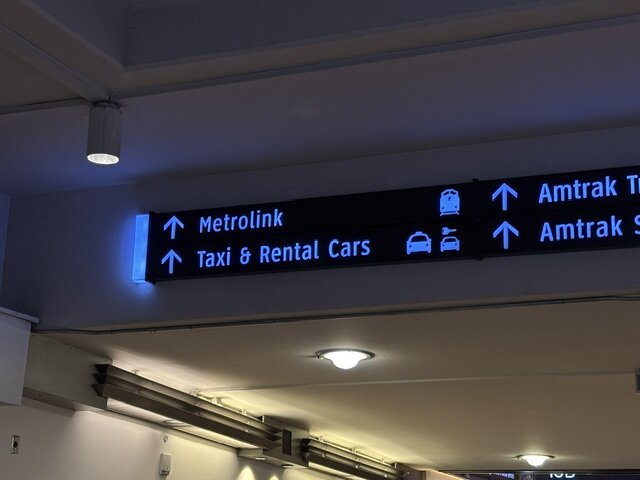
In the early hours of the morning, before the sun rises on the LA horizon, commuters in the city of Los Angeles are already moving through bustling train stations and bus stops rushing to school, work, and appointments. Metrolink carries workers, students and residents through the morning rush and connects them to their jobs and errands while also offering a cost-effective alternative to driving. Yet, for people who depend on public transport, even a small increase in fare price can add up.
Metrolink raised prices of one way tickets by about 14%, making it the first regional rail system fare increase in 13 years. The weekday SoCal Day Pass increased from $15 to $19, while the weekend and holiday pass increased from $10 to $12. “Metrolink recognizes that any fare increase affects our customers, and this decision was not made lightly,” the agency said in a statement explaining the fare change that took effect on Monday, Oct. 5. Merolink claims the adjustment to the fare is meant to support the rising operating and maintenance cost, and address lower post pandemic ridership.
For Jorge Garcia, a Los Angeles resident who relies on public transportation to get around the city, the cost of transportation is something he and many other commuters take into consideration. With gas prices on the rise, many people have relied on the affordable fare prices the Metro offers. Garcia mentioned that he is fortunate to have his transportation covered through Medi-Cal, but he points out that not everyone may have access to the same assistance. “In my case, since I have Medi-Cal, Medi-Cal covers it for me. But for people who use Metrolink, it’s a little expensive,” he said.

For some other avid users of the Metrolink and other metro services, the issue is not the rising cost but the concern of what they will receive in return. Brian Little, who recently moved to Los Angeles after using public transportation in Northern California, voices his concern about whether he thinks the funds are going to good use. “In a perfect world, if it was actually going toward infrastructure, great. At least it’s slightly better to stomach that way if it’s going towards a good cause, but realistically, probably not. So, not a fan,” he said.

The fare increase comes as Metrolink is also receiving funds from the SCORE program, which is meant to provide service and infrastructure improvements across the regional rail system. The funds will go to improvements in stations, signals, and track to enhance the “reliability, capacity, safety, and sustainability of Metrolink services for the communities it serves today and for generations to come,” as stated by the agency. However, it is not yet clear whether the recent fare change will be used as funds alongside the SCORE funds, or if the fare increase is funding SCORE.
As riders adjust to the fare change and Metrolink continues to move forward with the changes, they will have to find a way to fit the higher cost into their daily budgets. While according to Metrolink riders can expect improvements to the system, it is unclear whether the change in fare is going into those improvements through the SCORE program. For riders who depend on the train to get to work, school and other commitments, the increase means having to spend more just to get where they need to go.
