


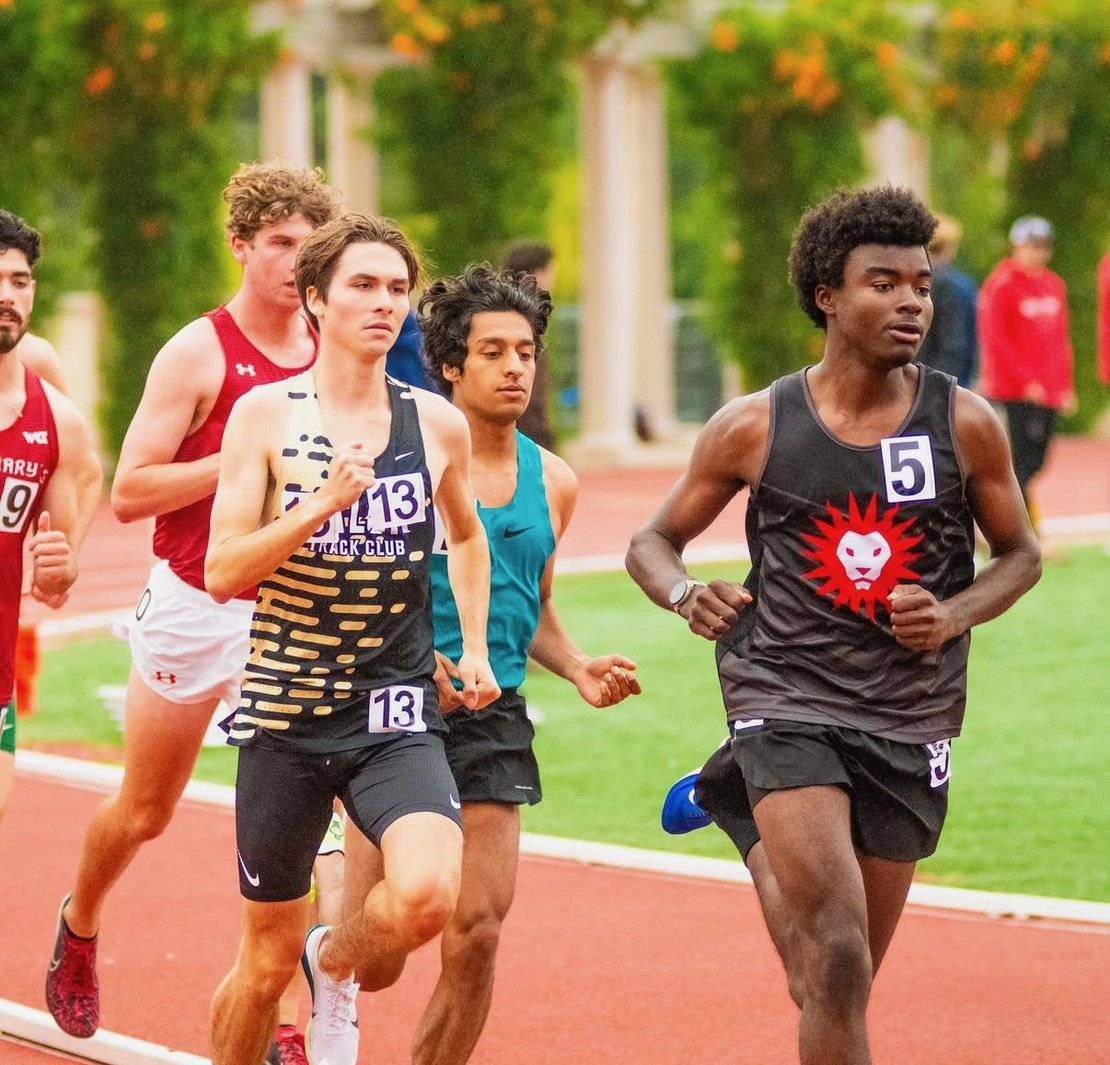
At 6 a.m., while most of LMU is still asleep, a small group of runners on campus gathers to train.
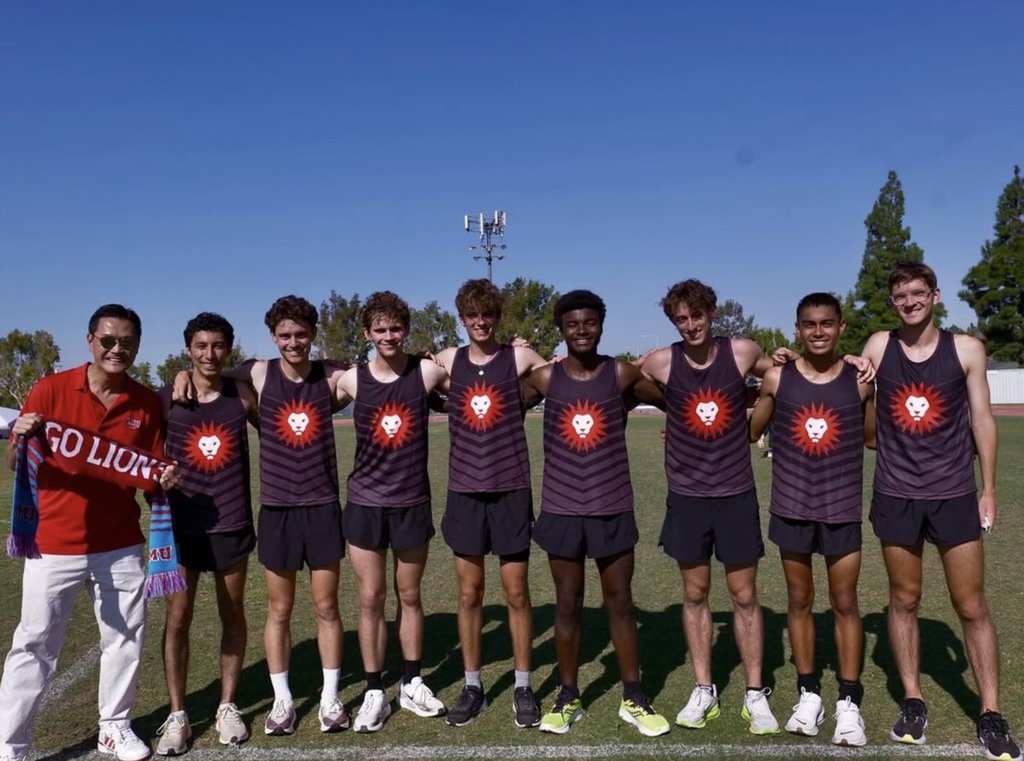
While men’s track and field and cross country are not considered registered NCAA sports on campus anymore, the team persists as a club with committed members who dedicate their time for the love of the sport. With limited funding and a small number of athletes, they continue to put in their miles and keep up their spirits before the sun rises and the day starts.
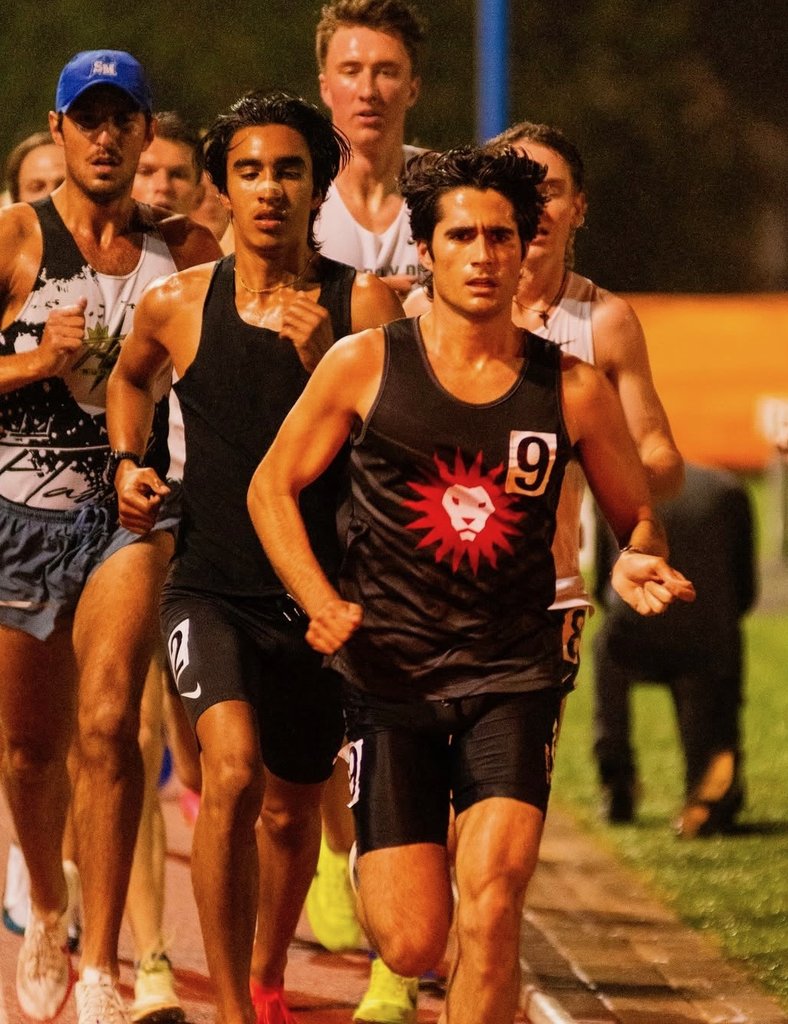
“We’ll take what we can get,” said Rowan Moore, a junior physics major and one of the club’s four dedicated members. “It’s still a special thing to have a club with dedicated athletes.”
Moore’s passion began in high school when he picked up a new hobby during the pandemic, and the sport evolved from a way to get outside into a serious competitive pursuit. “What motivates me is really just that I need to be competitive,” he said. “I think it’s important for everyone to have some aspect of their life where they can compete.”
The club emerged after LMU cut several athletic programs in January 2024, including men’s cross country and track and field, leaving many athletes devastated. What was once a funded team under the Division I program became a student led effort to preserve the passion for the sport. Alumni Will Luthers, a former runner, helped establish the LMU’s cross country club called the LMU Distance club. Coach John Pickhaver, who previously coached the Division I program, now helps to support the club. Rather than letting the sport disappear, former Division I athletes and coaches are working together to build something new.
Though the club is well-established, they face a challenge with bringing new athletes in because of the lack of funding they receive. Their equipment and travel budgets are smaller than it once was, but the team still manages to make those cuts work. “With no more recruits and not as many new athletes, a lot of our day-to-day practices are not as many people as we’d like to show up,” Moore said. “Our funding definitely isn’t what it used to be.” Yet the athletes continue to put in their work, and train.
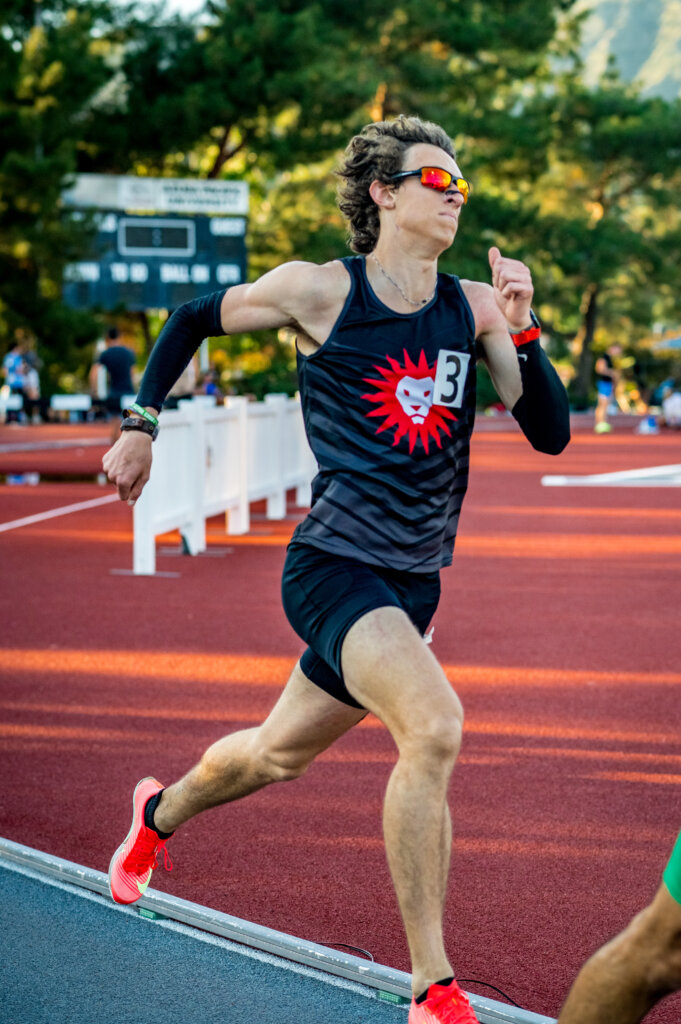
Sophomore screenwriting major Robert Del Rio shares a similar mindset. When he first joined cross country in high school, he thought it would be easy, but it was not. “I had a lot of trouble at first and I really wanted to quit,” said Del Rio. Instead, he stayed, and that decision continued to shape his life with great discipline, especially through time management as he balances academics. “[Running] taught me that even when things get difficult, you can keep going. Those are tools that are going to help me later in life.”
Alex Scott, a junior double major in screenwriting and television production, originally envisioned a future in basketball. Injuries and health struggles derailed those plans, eventually leading him back to track and cross country. “I genuinely would not be here today if it weren’t for track and cross country,” Scott said. “It gave me a renewed sense of purpose.”
He credits the sport with improving his physical health, academic performance, sleep habits, and overall mental well-being. Last season, Scott ran 1:55.95 in the 800 meters, a time that would rank among the fastest in LMU history. Although he posted a top time, he feels stronger this year.
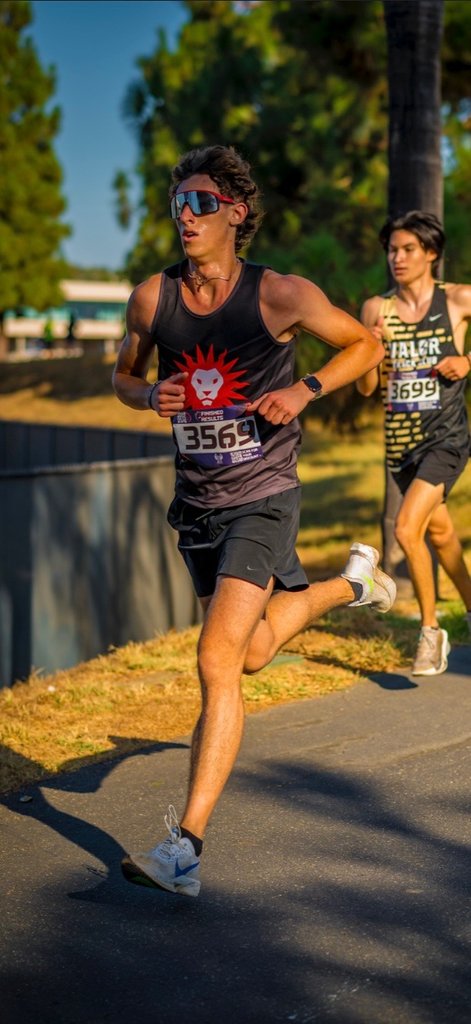
Despite the runners’ individual journeys and accomplishments, they consistently return to their running community, not giving up on each other but instead uplifting each other.

That sense of connection extends beyond practices and races. Pickhaver mentioned how the club members supported him during a recent hip surgery, organizing a special run before his operation. “They really care,” he said. “They make sure everybody on this team, whether it’s a teammate or a coach, feels valued.”
Still, the future remains uncertain. According to Scott, the club’s numbers have steadily declined over recent years. What began as a larger group has dwindled to only a handful of consistent runners. Recruiting new members has become increasingly difficult because not only of limited funding, but also with the sport’s demanding time commitment. “It’s a disciplined sport,” Scott said. “You’ve got to get up early. You’ve got to be consistent.”
The runners recognize the ongoing challenge, yet every morning they continue to show up and represent the program for what it means to every individual on the team.
For Moore, that commitment is about more than race times. “It’s a way to stay healthy,” he said. “Mental health really starts with physical health. If you treat your body well, your mind will follow.” That belief echoes through every mile the club runs. Although the Division I team is gone, the culture it created remains alive in the athletes who refuse to let it fade.
Their uniforms may have changed, their resources may have diminished, but their dedication has not. As long as runners continue gathering before sunrise and lacing up their shoes warming up to get a good head start, distance running still has a home on campus.
