


As an avid Black Friday shopper, it shocks me every year that the downtown streets of my hometown are empty. Truly, the only ones that I saw out were pre-teens with their parents or the shop workers themselves. Now, I’m from a smaller town without the same big-box stores, so this always made sense. That was until I remembered… in-person isn’t the only way to shop.
“Sofa Sunday,” as true Black Friday-ers affectionately refer to the day between Small Business Saturday and Cyber Monday, marks a shift in shopping attitude. From the days of hitting the mall to a day of rest before the online shopping spree begins, this casual lounge attitude is exactly how modern consumers feel about this holiday. You can get the exact same deals from your couch, right? Wrong!
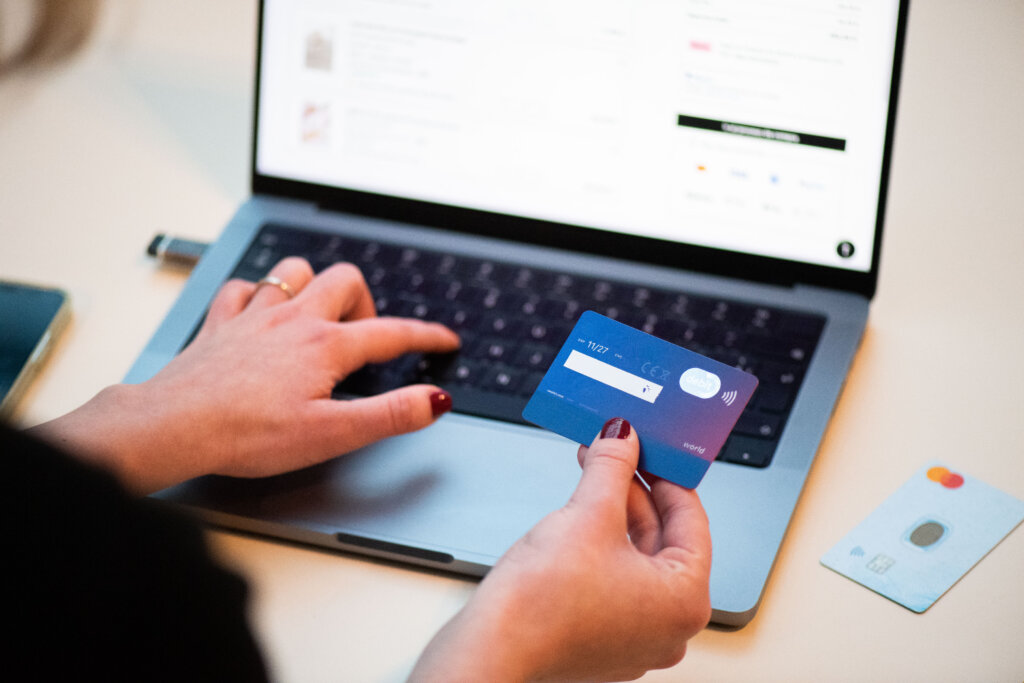
Black Friday’s romanticization of capitalism is fading through the cold credit card transactions happening online. Shopping is meant to be a personal experience: a conversation with the person at the register, the slip of fabric against your hand, but now it’s dehumanized through a glance at your computer screen. Brands have used this new phenomenon to their advantage, playing with your heart while offering significantly better deals online than in store.
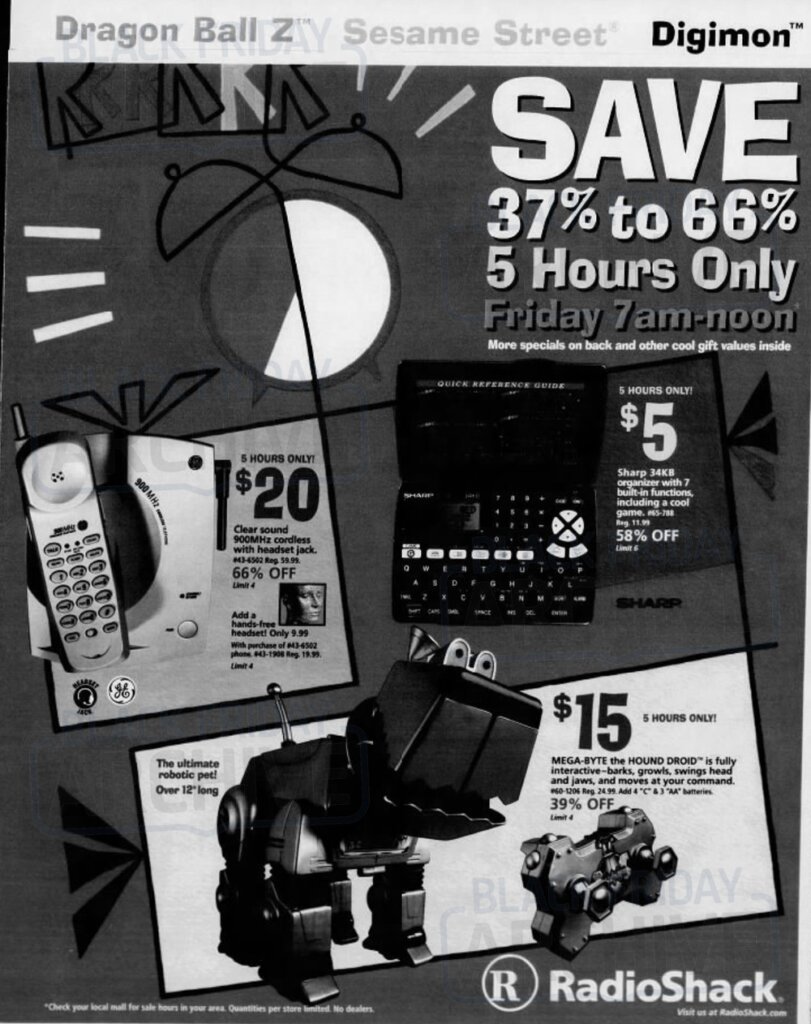
But, let’s talk about the deals. Nowadays, deals aren’t even a significant decrease. I’m sure inflation factors into pricing, but the 30% off I got at Hollister really doesn’t hit the same. This 2000’s add from RadioShack advertises 37-66% off savings. An entire phone headset was $20 back then. I’ll admit, a lot of that is inflation, but big box brands really don’t have the same commitment to a sale as they used to. In addition, brands like Victoria’s Secret offer various deals year-round, so the annual Black Friday price dip is even less of an appealing draw.
Some of you may have known these extra special Black Friday facts, but it was originally said to have earned its moniker because the day after Thanksgiving marked the day when business profits turned from the negative (red) to profitable (black), according to an article by Sarah Pruitt on History.com. While this is a lovely Wall Street story, the name has an even better origin story. Back in the 1950’s, Philadelphia stores were flooded the day after Thanksgiving, as fans were in town early for the Army-Navy game that Saturday. That is a far more fitting origin story for my favorite holiday, and true to the essence of shopping sprees.

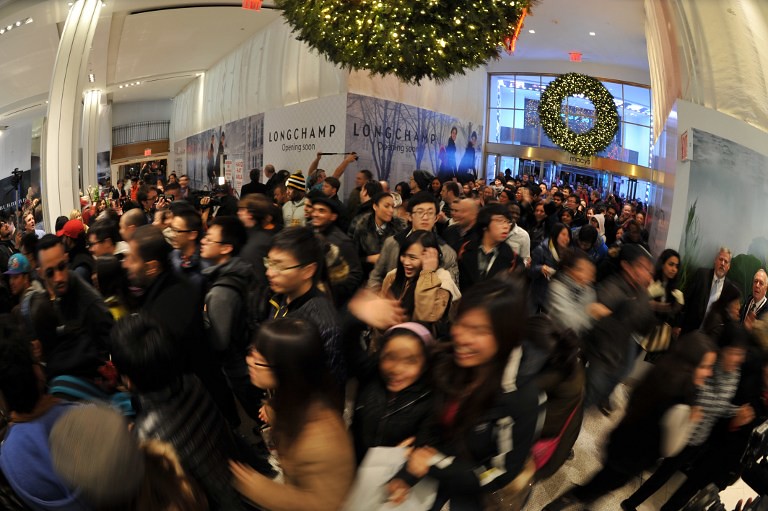
So, the 1950’s was basically the beginning of shopping as we know it. As we know with the advent of the internet, modern shopping looks very different. The shopping landscape even significantly differs from the 2000’s, a time of malls. An article from Forbes says there were 7,327 in-person store closures in 2024. However, according to the same article, retail location vacancy rates went down to 5% in 2024. So, stores are closing, but malls are coming back into fashion? But amidst all of this, the majority of Black Friday shopping is happening online.
Community is at the core of the Black Friday weekend, and with online shopping comes a loss of that same community. Modern stores are even catering to this loss with the declining deals we’ve seen over the decades. Though Black Friday started with a flood into stores, things aren’t the same anymore. But, the resurgence of mall store openings is an exciting shift for this declining trend. Black Friday in 2025 was a disappointment. Maybe in 2026 we’ll see a new start to the holiday, with high hopes for more in-person shopping, deal hunting, and most of all seeing the community come together to celebrate capitalism at its finest.
