


By calling (213) 652-7463, homeless individuals on the streets of Santa Monica can connect with an A.I. chatbot to find free domestic flights and bus tickets back to their opportunity zones.
What are opportunity zones? According to Adam Gibson, co-founder of the Santa Monica Coalition, opportunity zones are anywhere that bring unhoused people off the streets of LA, and back to their roots, “…whether that be with their families, their friends, or their church, anywhere they are not on the sidewalk.”
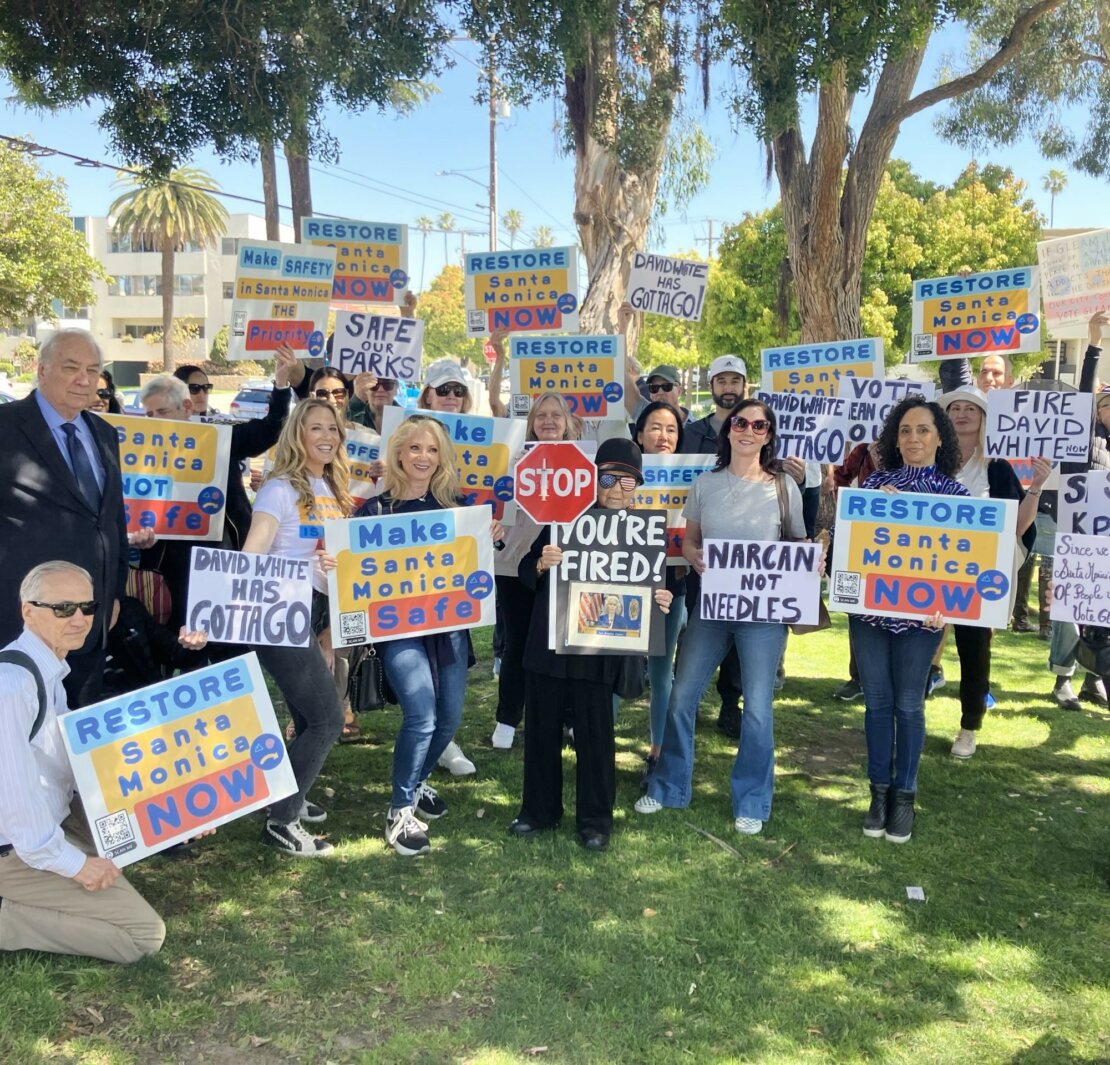
Partners John Alle and Adam Gibson began the Santa Monica Coalition after the COVID-19 pandemic to curtail rates of crime and homelessness, specifically in LA County. “Through advocacy and education, we work to hold local leaders accountable and ensure policies serve the best interests of the community,” said Gibson. “The Santa Monica Coalition is dedicated to community growth, transparency and accountability, working to create a better local environment for everyone in Santa Monica.”
In 2023, Alle testified that he was struck to the ground by a homeless man threatening to kill him, where he was then kicked 17 times in the head and shoulders. This incident was preceded by Alle’s years of personal efforts to get the attention of city council members, hoping to spark effective change to end the housing crisis he observed.
Alle and Gibson’s lived experiences on the Westside of Los Angeles, along with Alle’s involvement in local politics, brought them to join forces to help Santa Monica. “When I first met John, we had been working on Tracy Park’s campaign together,” Gibson said. “Homelessness seemed to be an issue that Santa Monica and Venice both shared.”
Gibson explained that the issue of homelessness is largely misunderstood, not just by Angelenos, but by the politicians who talk about it. “When we hear elected officials speak about it, they do so as if it is one problem…there are multiple types of homelessness,” said Gibson. “We really tried to take our efforts outside of the traditional media so we could try to explain homelessness issues in a way that people could actually understand them.”
The Santa Monica Coalition specifically targets what they refer to as “freshman” and “sophomore” homeless people, or people who have been on the streets less than two to three years. After identifying the individuals who are consenting and receptive to help, Alle and Gibson help get them back to opportunity zones by bus or plane. Gibson shared that the coalition manages to pay for bus and airplane fares between Alle’s personal donations, as well as funds from donors.
Alle’s experience in local politics shed light on the ineffective nature of traditional avenues of homeless rehabilitation. “The housing that is actually being created is more or less just a shower stall,” said Gibson. “They use them for cleanliness but they’re not necessarily living there because they want to be outside.”

After recent coverage by the New York Times, the coalition has been under fire due to its efforts to relocate people, as opposed to rehouse them. Gibson feels, however, that the term rehousing implies that they had housing in the first place.
“It is not California’s job to house you,” said Gibson. “If you did not have an address coming into California, it’s not our job as taxpayers to house you. I am not saying that people should not have housing. […] But, it should be opportunity zones first, housing second.”
“It doesn’t seem like anybody in power is really trying to provide solutions. It’s the same thing over and over again,” said Gibson. “Something has to change.”
