


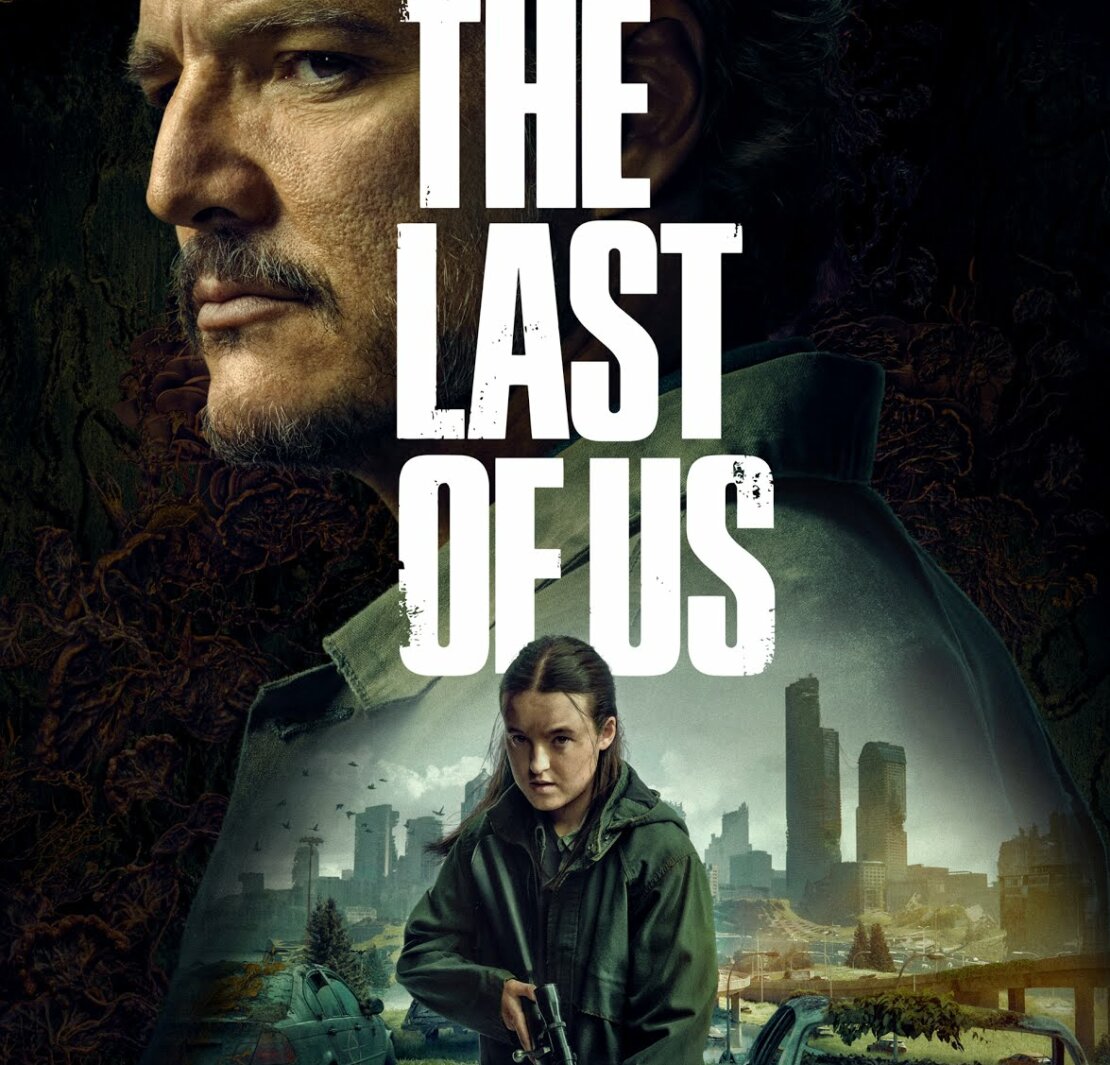
When the second season of Craig Mazin and Neil Druckmann’s post-apocalypse drama, “The Last of Us,” hit HBO in April, fans of the video game that founded the characters and story were already waiting for the shock that was coming in the second episode of season two, “Through the Valley,” where Pedro Pascal’s, Joel, is relieved of his mortal coil in a particularly nasty way involving a shotgun and a 9-iron. This is courtesy of Abby Anderson, coldly played by Kaitlyn Dever, who, to be fair, had plenty of reason to despise Joel, who squad-wiped her surgeon father along with what appears to have been the last of the Fireflies to save Ellie (Bella Ramsey).
Understandably, the twist had TV-only fans reeling, as Pascal’s performance as main character Joel and his fatherly dynamic with Ellie has been a draw for many into the show. However, staying true to the game’s story will likely pay off quickly, and Joel’s death made perfect sense in that regard. His actions at the hospital in season one’s finale were bound to invite consequences, and his macabre death is pivotal in driving the plot forward, much like Ned Stark’s death at the end of “Game of Thrones’” first season.
Perhaps, although hopefully not as brutally as Rob Stark, Ellie will have a lesson to learn about the futility of vengeance – a very Western concept that is likely not entirely truthful. In any case, her chemistry with her co-op, Dina (Isabela Merced), is well-performed and turned from flirtatious to outright domestic in the last episode, suddenly driving the stakes on Ellie’s revenge plot through the roof. This makes for another exciting turn in a show that has had much to offer with its twists and emotional provocation, indicating that those who would threaten to unsubscribe from the series over Pascal’s early exit are mere reactionaries.
Issues with the series mostly reside in the kind of plot details that would bog the story down if played to absolute realism, and therefore are valid, although once in a while, they stray into the unbelievable. One such example from season one was when Ellie was evading the psychopathic pastor in the dining room. Rather than finding her hiding spot in mere seconds, he stands in the middle of the room and presents his back for stabbing. More come in the form of minor but relevant conveniences; one instance being when Ellie does not get any type of infection from the filthy zombie teeth that have punctured her arm several times.

Additionally, Abby unexpectedly crosses paths with Joel, who is separated from his comrades in the middle of Wyoming. She leads him into a trap that he does not expect, and he never questions what a heavily armed and well-fed group is doing so close to their commune. Even Ellie’s single-minded pursuit of Abby, dragging along one of her only remaining loved ones in tow and with newly developed romantic feelings, might raise a few too many questions about her character. Still, while requiring a high suspension of disbelief, “The Last of Us” continues to provide plenty of reasons to tune in.
